Tag
#Port Congestion
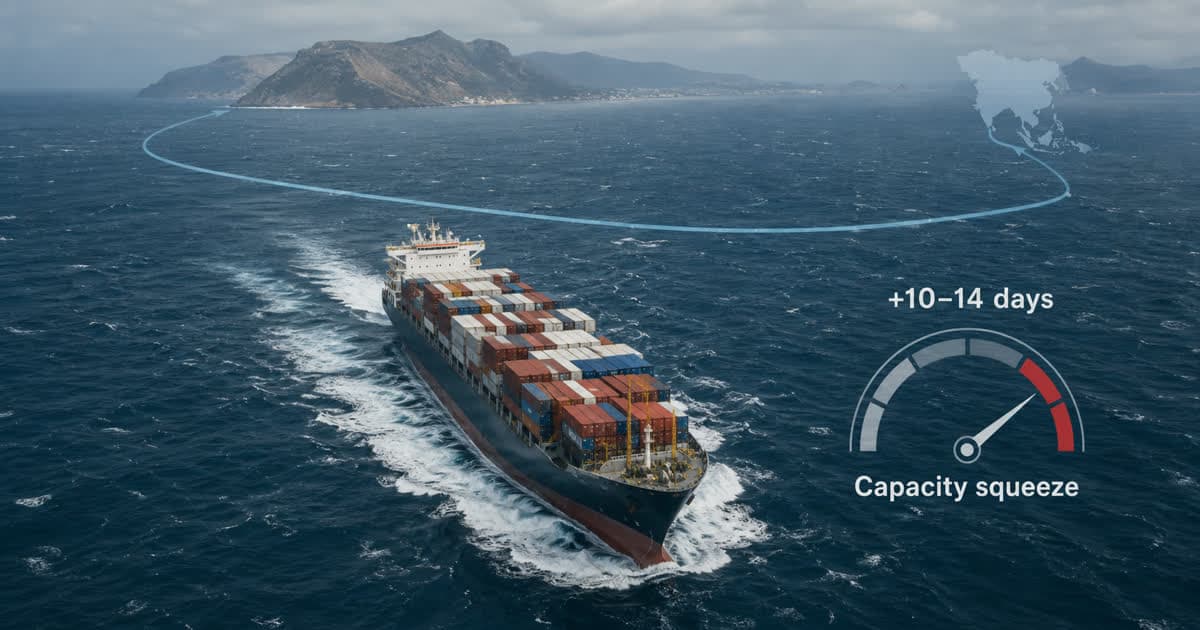
Red Sea, Cape Routing and the 2026 Capacity Squeeze
Why a longer route makes ships disappear from the market, how much capacity Cape routing absorbs, and what has to happen before Asia-Europe rates normalise.
The 15 Busiest Container Ports, and Why the Biggest Is Not the Point
Full-year 2025 throughput for the top 15, plus the gateway-versus-transshipment split that decides whether a port matters to your cargo at all.
Charter Party Laytime, Demurrage and Despatch Explained
Charter party demurrage and container demurrage share a name and nothing else. Here is how laytime, Notice of Readiness, demurrage and despatch actually work in a voyage charter, verified against BIMCO and GENCON text, for a shipper or forwarder chartering bulk or breakbulk space.
Port State Control Inspections and Vessel Detentions Explained
A Port State Control inspection can stop a vessel from sailing, and the difference between a routine deficiency and a full detention changes how long the delay might run. Here is what the inspectors actually check, how ships get selected, and what happens to the cargo on board.
Blank Sailings and Void Sailings Explained for Shippers
A blank sailing, also called a void sailing, is a scheduled voyage that the carrier cancels. This guide explains why carriers do it, how it differs from rolled cargo and skipped ports, and what to do when your sailing is blanked.
How a Container Terminal Works: Gate, Yard and Berth Explained for Shippers
A container terminal is three linked systems: the berth, the yard and the gate. Knowing what happens in each, and what the tracking statuses really mean, explains most port delays and most demurrage bills.
Container Schedule Reliability Explained: How It Is Measured and How Shippers Should Use It
Schedule reliability is the share of vessel arrivals that land close to the published schedule, and every provider defines "close" and "published" differently. This guide explains the main series, what they do not tell you about your own container, and how to plan buffer days.
Managing Detention and Demurrage Exposure as a Freight Forwarder
A carrier bills whoever is the merchant on its bill of lading, and for a forwarder-issued house bill that can be the forwarder. This guide covers how the exposure arises, the contract terms that move it back to the customer, and the habits that catch it before the free time runs out.