Tag
#Middle East
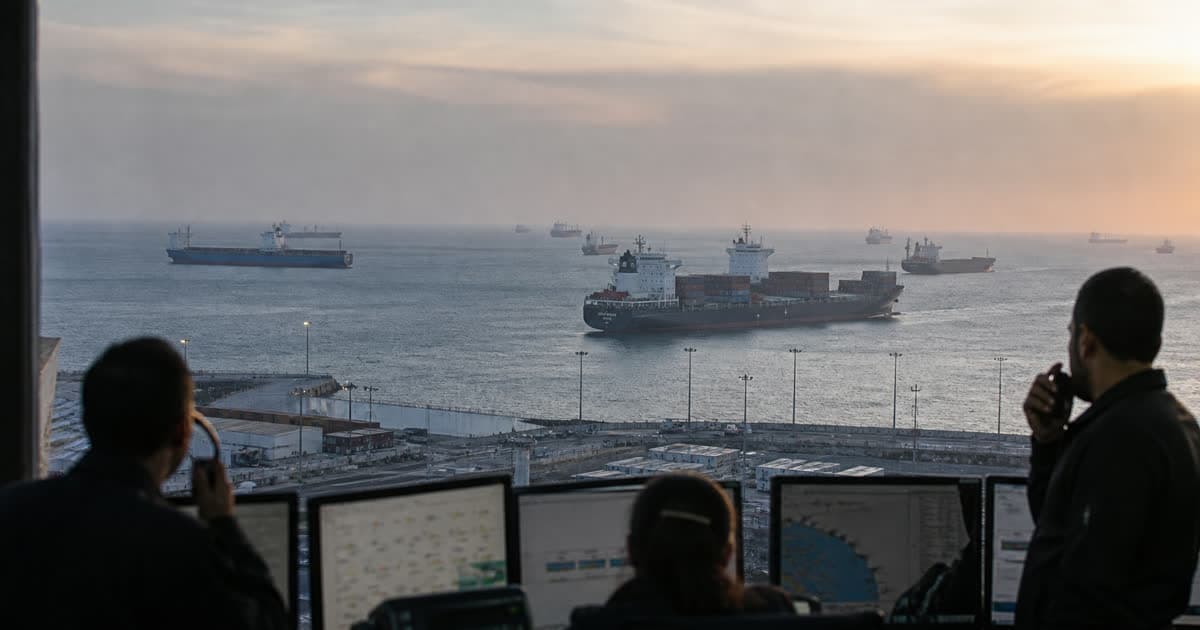
Strait of Hormuz Disruption: A Shipper's Playbook for Gulf Cargo
Hormuz has been effectively closed to mainstream container traffic since late February 2026. Here is how shippers are still moving cargo into and out of the Gulf, and what it costs.

Reaching the Gulf When Hormuz Is Closed: Landbridge and Multimodal Routing
With no sea alternative to the Strait of Hormuz, cargo is reaching the Gulf by road from ports outside it. The corridors, the paperwork, the transit times and the costs.
Importing into Saudi Arabia: Customs, FASAH, SABER and Conformity Certificates Explained
Saudi imports are cleared by ZATCA through the FASAH platform, and many regulated products also need SASO conformity certificates issued through SABER before the goods ship. This guide explains who files what, what is charged and what to confirm with a broker.
UAE Import Customs Explained: Dubai, Mirsal 2, GCC Duty and VAT
Importing into Dubai means a customs business code, an electronic declaration, a 5% GCC duty on CIF value for most goods and 5% VAT at the border. This guide explains each step, the documents behind a declaration and where free zones change the picture.
Egypt Import Customs: Advance Cargo Information (ACI) and Nafeza Explained
Cargo bound for Egypt needs an ACID number before it ships. This guide explains Advance Cargo Information, the Nafeza single window, who registers where, and the failure points that get cargo returned.
Importing into Turkey: Customs, BILGE, TAREKS and Additional Duties Explained
Importing into Turkey means a BILGE declaration, TAREKS checks on listed goods and a stack of charges beyond the customs duty. An A.TR proves customs status, not origin, so it does not always clear additional duties.