International machinery shipping begins with engineering-quality cargo data. Final packed dimensions, centre of gravity, lifting points, floor loading, value and condition determine the equipment, packing, route and insurance approach. Do not request firm pricing from approximate specifications.
Survey the machinery

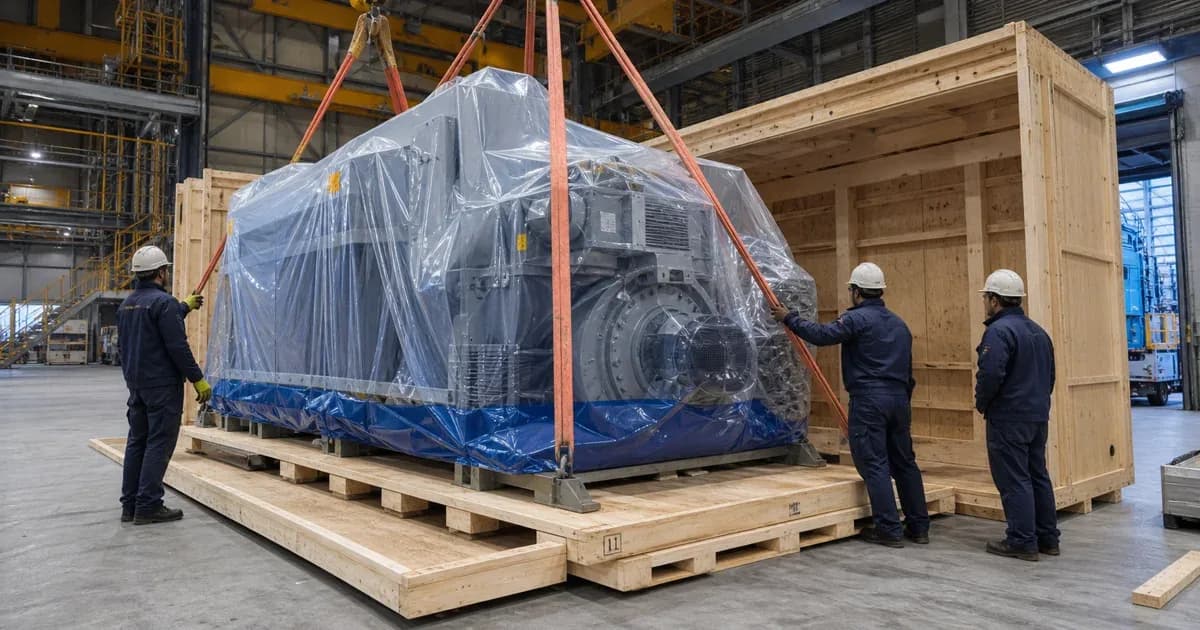
Record make, model, serial number, operating condition, dimensions, weight, centre of gravity, lifting points and sensitive components. Photograph the machine before dismantling and label removed parts, cables and accessories. A specialist may be needed for heavy or irregular cargo.
Design export packing
Protect against shock, vibration, moisture, corrosion and handling. Crates, skids and blocking must support the actual load and transport method. Confirm treatment and marking requirements for wood packaging and avoid enclosing prohibited fluids, batteries or residues without review.
Choose equipment and handling
Compare containerized, flat-rack, open-top, roll-on/roll-off, breakbulk and air options based on size, value, route and lifting access. Request a lifting and securing plan for abnormal loads and verify crane, forklift, doorway and floor-capacity constraints at both ends.
Align documents and insurance
Use precise machinery descriptions, values, origin information, package details and serial numbers. Check export controls, import permits and used-equipment rules. Arrange cargo insurance on declared facts and understand exclusions, deductibles, survey requirements and claims evidence.
Practical checklist
Verified dimensions, weight and centre of gravity
Packing and corrosion-protection plan
Lifting and securing method
Route and equipment feasibility
Export and import compliance review
Condition photos and insurance evidence
Frequently asked questions
Can machinery go in a standard container?
Only when packed dimensions, weight, loading method and securing requirements fit the equipment safely.
Is cargo insurance necessary?
It is strongly worth evaluating for high-value machinery; carrier liability is not the same as full cargo insurance.
What information does a forwarder need?
Provide final technical cargo data, value, addresses, dates, lifting needs, packing status and compliance information.
Use CargoLinked to identify suitable logistics providers and request comparable freight quotations. Confirm current regulatory requirements with the competent authorities and qualified advisers before shipping.