Ocean, Air & Multimodal Shipping
FCL vs LCL, air freight pricing, transit times, rail freight, and dangerous goods — choose the right mode.
All Shipping Modes guides
Cargo Securing Inside the Container: The Step Most Shippers Skip
Packing a container is not stacking boxes: weight distribution, void filling and lashing decide whether cargo arrives intact or becomes a claim.
Transloading and Deconsolidation: What Happens to Your Cargo at the Port
Moving cargo from ocean containers into domestic trailers can cut inland cost sharply, or add a handling step you did not need.
Thailand to USA Shipping: Ports, Modes and Lead Times
Laem Chabang to the US West and East Coasts: what ships, how long it takes, and why Thailand is operationally the easiest China+1 origin.
Europe to USA Shipping: The Transatlantic Freight Guide
Ports, modes and the paperwork that differs from Asia imports, plus why the transatlantic is the one lane where carrier choice really shows.
US Drayage and Chassis: Why the Last 50 Miles Costs So Much
Per diem, chassis splits, dual transactions and appointment systems, the American port-to-door charges that surprise every first-time importer.
Sea-Air Freight: The Middle Option Between Ocean and Air
Roughly half the transit of ocean at a fraction of air freight cost: how sea-air works, the hubs that make it possible, and when it is worth the complexity.
The 15 Busiest Container Ports, and Why the Biggest Is Not the Point
Full-year 2025 throughput for the top 15, plus the gateway-versus-transshipment split that decides whether a port matters to your cargo at all.
Truck and Trailer Types: Dimensions, Pallet Counts and Weight Limits
European and North American trailer types side by side: internal dimensions, how many pallets fit, and the weight limit that binds first.
Air Cargo ULD Types and Dimensions: A Shipper's Reference
The container and pallet types used in aircraft holds, what fits each aircraft, and why your pallet height decides your air freight cost.
Project Cargo and Out-of-Gauge Shipping: What Changes
When cargo stops fitting a container, everything changes: equipment, pricing, route surveys, lifting plans and lead times.
Temperature-Controlled Freight: 9 Things You Must Specify
Setpoint, ventilation, pre-cooling, cold-chain gaps and data loggers. The details that decide whether reefer cargo arrives sellable.
Export Packaging and Palletisation: The Checklist That Protects Your Cargo and Your Rate
Carton specs, pallet standards, ISPM 15, and the packaging decisions that quietly change what you are charged.
China+1 Sourcing: What Shipping Actually Looks Like From 8 Alternative Countries
Eight China+1 countries compared on ports, realistic modes and the freight friction nobody mentions when they pitch you the factory.
Container Types and Dimensions: The Numbers That Decide Your Booking
Internal dimensions, nominal versus usable volume, and the payload limit that is almost never the container's own limit.

Container Tracking Explained: What the Box Number Can and Cannot Tell You
How container numbers are structured, what the check digit is for, why one container can hold several shipments, and where the real status lives.
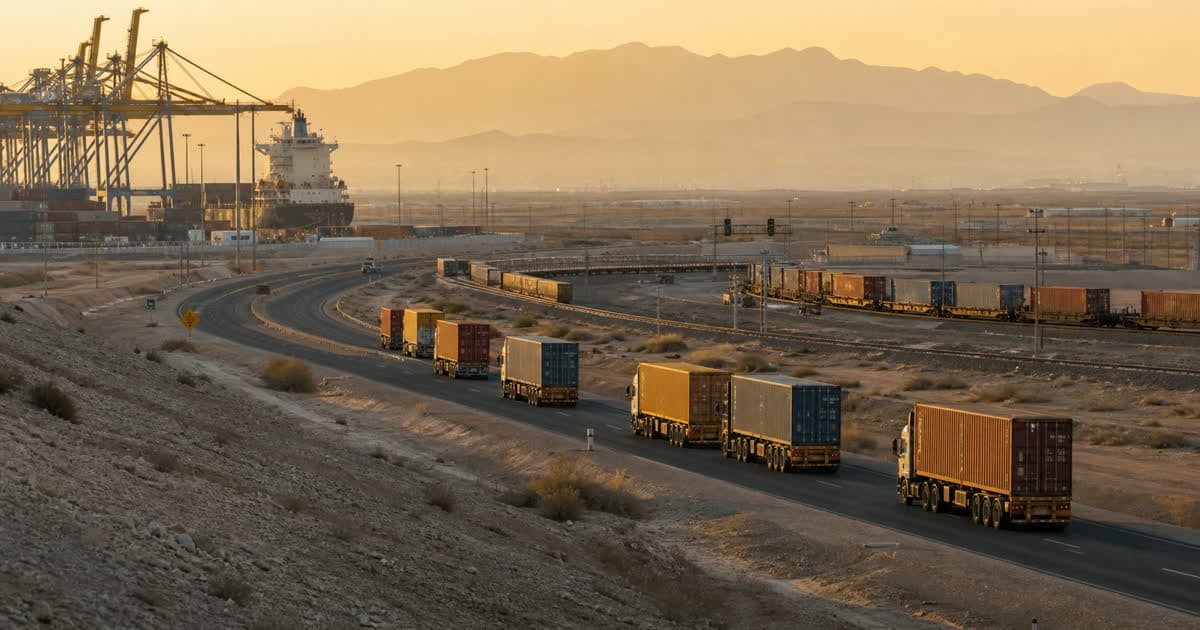
Reaching the Gulf When Hormuz Is Closed: Landbridge and Multimodal Routing
With no sea alternative to the Strait of Hormuz, cargo is reaching the Gulf by road from ports outside it. The corridors, the paperwork, the transit times and the costs.
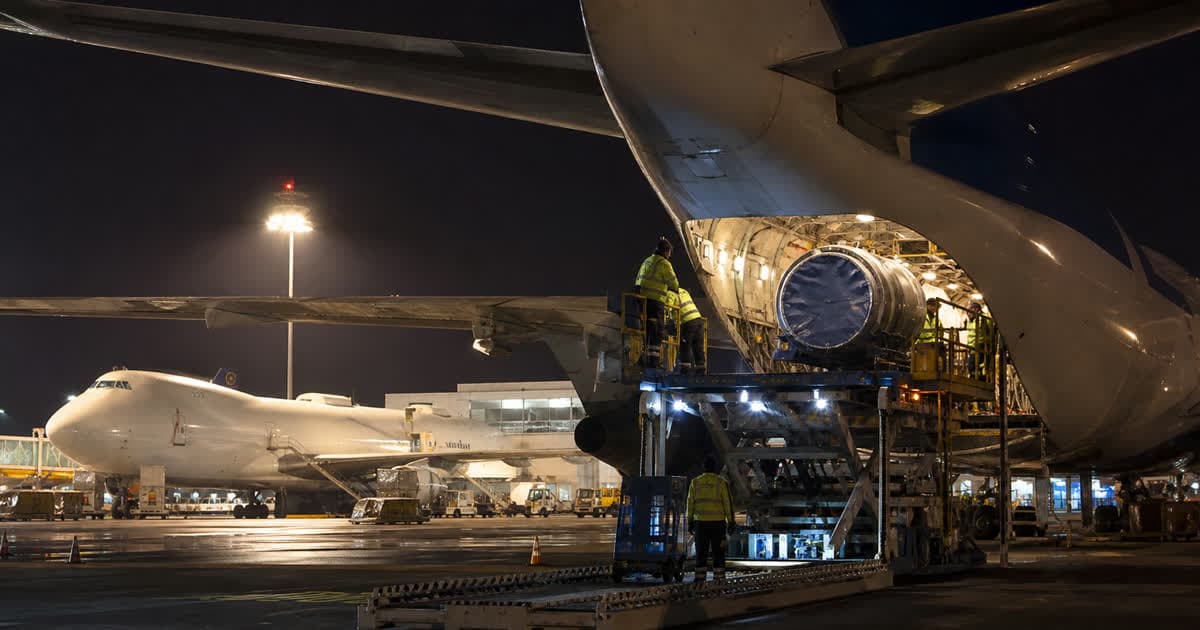
Air Charter vs Scheduled Air Freight: When a Charter Is Worth It
Charters are not just for oversized cargo. A cost and risk framework for deciding when a full or part charter beats waiting for space on scheduled services.
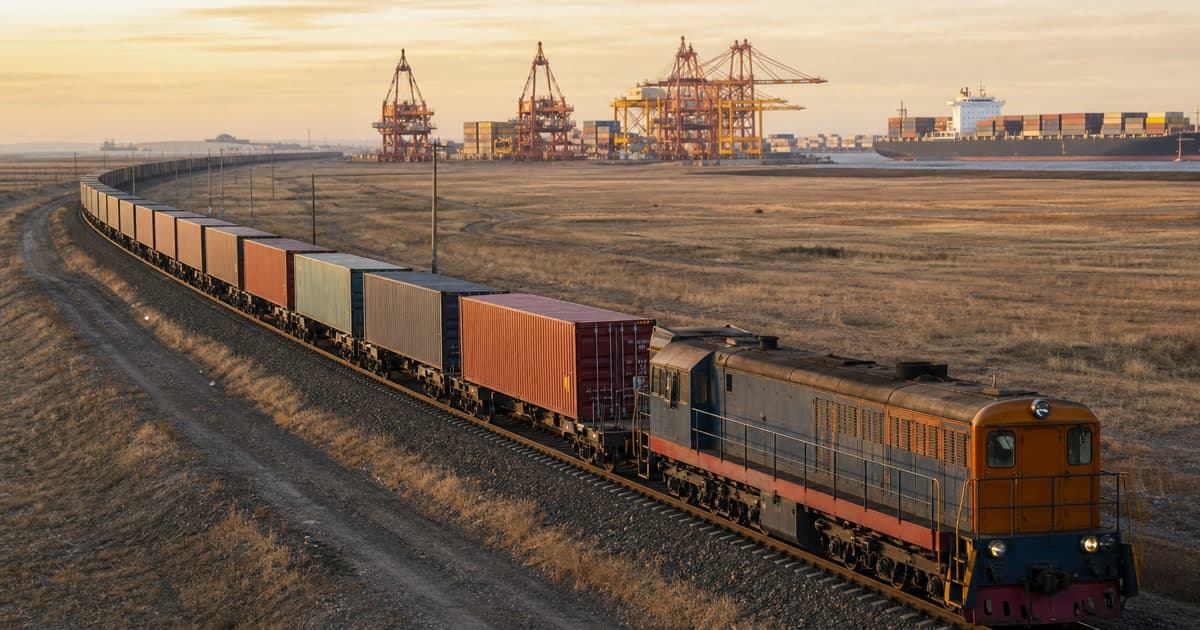
Asia-Europe Rail vs Ocean in 2026: When the Landbridge Wins
Cape routing pushed Asia-Europe ocean transits past six weeks. That changes the rail comparison for the first time in years. A cost, speed and risk breakdown.
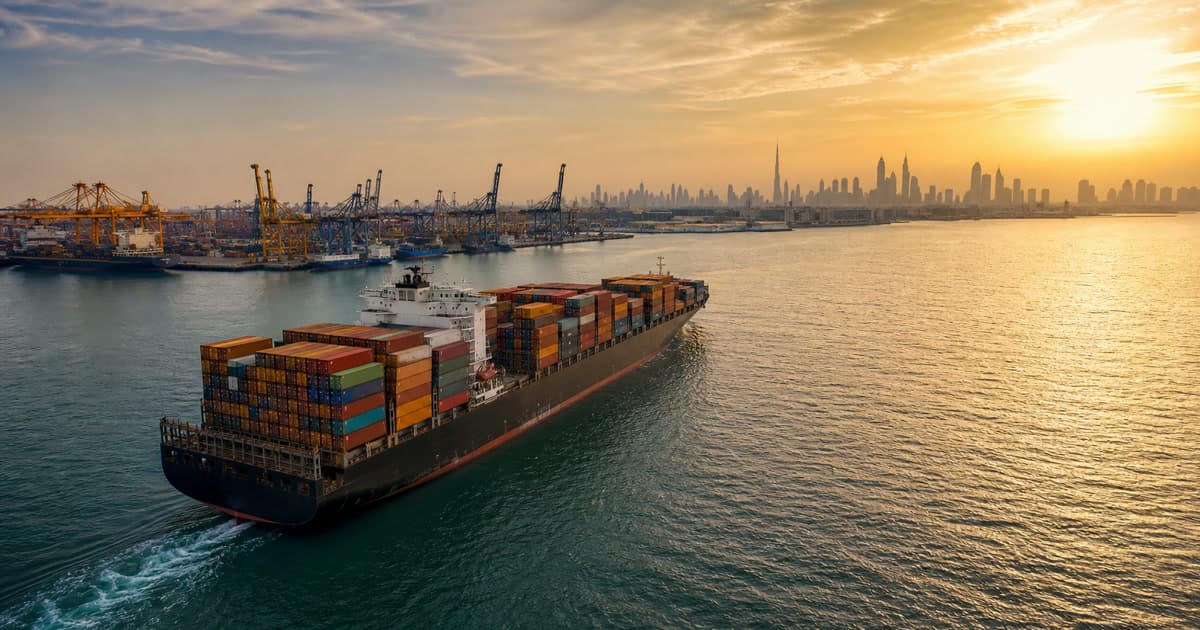
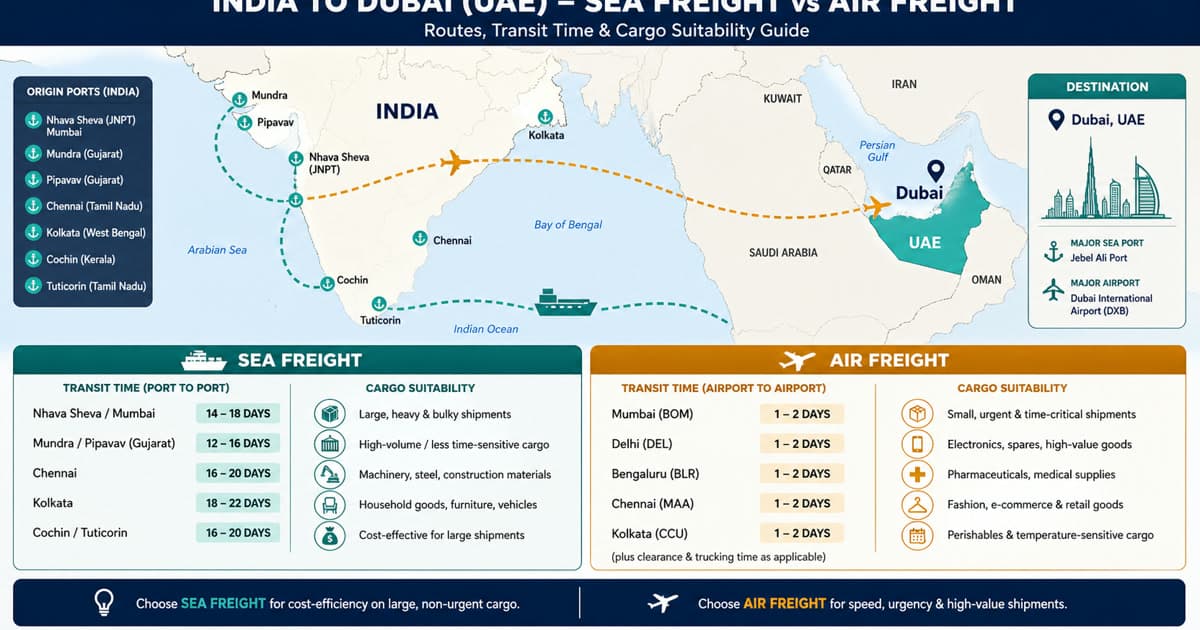
India to UAE Shipping: Fast Sea & Air Freight to Dubai
A practical guide to India to UAE shipping: Nhava Sheva and Mundra to Jebel Ali transit times, air cargo to Dubai, customs steps, and free-zone re-export.
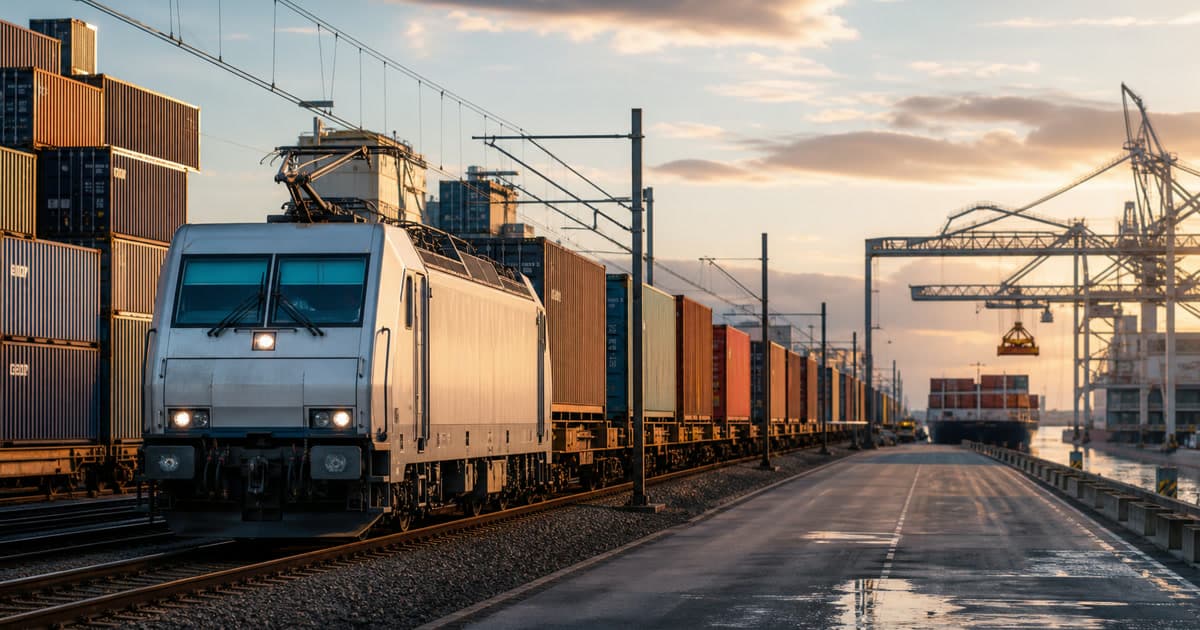
China to Germany Shipping: Sea vs Rail via Duisburg
How China to Germany shipping really works: ocean freight to Hamburg and Bremerhaven, China-Europe rail via Duisburg, air to Frankfurt, and ATLAS customs.
Mexico to USA Freight: Cross-Border Trucking & Nearshoring Guide
A practical guide to Mexico to USA shipping: why trucking rules the lane, key border crossings, USMCA rules of origin, customs steps, and nearshoring.
How to Ship from China to the USA (2026): Costs, Transit Times & Customs
A practical 2026 guide to shipping from China to the USA: FCL vs LCL vs air freight, transit times by port, what drives cost, and how to clear US customs.
Vietnam to USA Shipping: The China+1 Freight Guide
A practical guide to Vietnam to USA shipping: Cai Mep and Hai Phong ports, ocean and air transit times, VNACCS and ISF customs, and the China+1 sourcing shift.
India to USA Freight: Ocean, Air & Pharma Cold Chain Guide
A practical guide to India to USA shipping: ocean and air freight, Nhava Sheva and Mundra ports, transit times, India and US customs, and pharma cold chain.
Sea Freight vs Air Freight: How to Choose (Cost, Speed & When to Use Each)
Sea freight is cheaper and slower; air freight is faster and pricier. Learn how cost, chargeable weight, transit time and urgency decide the right mode.
FCL vs LCL Shipping: Which Ocean Freight Option Is Right for You?
FCL vs LCL shipping compared for ocean freight: how each is priced, transit speed, handling and damage risk, the CBM break-even, and when to use each option.
Shipping from China to the UK: Sea, Rail & Air Freight Guide
A practical guide to shipping from China to the UK: compare sea, rail and air freight transit times and cost drivers, then clear GB customs through CDS.
Shipping from Malaysia to the USA: Ocean Freight Guide, Costs, and Transit Times
Shipping from Malaysia to the USA is one of Asia's most active trade lanes. This guide covers transit times, freight costs, FCL vs LCL options, Port Klang routing, documentation, and how to find freight forwarders for the Malaysia-USA corridor.
China-Europe Rail Freight: Is It Right for Your Supply Chain?
China-Europe rail freight offers a compelling middle ground between ocean and air. Here is everything you need to know about transit times, costs, routes, and cargo suitability.
Shipping Dangerous Goods: IMDG Code and IATA Regulations Explained
Shipping dangerous goods by sea or air requires strict compliance with IMDG and IATA regulations. Here is what shippers need to know before booking dangerous goods freight.
How Air Freight Pricing Works: Chargeable Weight, CBM and Rate Structures
Air freight pricing is more complex than it looks. Understanding chargeable weight, volumetric weight, and rate structures prevents expensive surprises on your air freight invoices.
Ocean Freight Transit Times by Route: What to Realistically Expect
Ocean freight transit times vary dramatically by trade lane, carrier, and routing. Here are realistic transit time expectations for the world major shipping routes.
Shipping Modes FAQ
Should I ship by air or by sea?
Choose sea for cost and air for speed. Ocean freight is dramatically cheaper per kilogram and suits bulky, heavy, or non-urgent cargo, with transits typically measured in weeks. Air freight is far more expensive but moves in days, and it makes sense for high-value, perishable, or time-critical goods — and sometimes for lower-value cargo when the inventory cost of a long sea transit outweighs the freight saving.
When should I use FCL instead of LCL?
FCL usually becomes the better choice somewhere around 13 to 15 cubic metres, though the exact crossover depends on the lane and current rates. Below that, LCL costs less because you pay only for the space used. Above it, a full container is often cheaper outright — and it is also faster and lower-risk, because the container is sealed at origin and not opened until destination.
Why does LCL take longer than FCL?
Because LCL cargo has to be consolidated and deconsolidated. At origin the consolidator waits to fill a container with other shippers' cargo before it sails; at destination the container is stripped and each consignment sorted before release. Those two processes commonly add several days at each end, on top of the ocean transit itself.
What is transshipment and does it affect my delivery date?
Transshipment is transferring cargo from one vessel to another at an intermediate hub port, and yes, it adds risk to your delivery date. Each transfer is a point where the container can miss its connection, and a missed connection typically costs a week waiting for the next sailing. Direct services cost more but are more predictable — worth paying for when the date is tight.
What is a reefer container and when do I need one?
A reefer is a refrigerated container with its own cooling unit, needed for any cargo with a temperature specification — food, pharmaceuticals, some chemicals and cosmetics. It requires a monitored power supply at every stage, including in port and on the road, and you must state the temperature set point and any pre-cooling requirement at booking rather than assuming a default.
What can I do if my cargo is too big for a standard container?
Use a flat rack, an open top, or breakbulk depending on the dimensions. Open tops suit cargo that is too tall to load through the doors but stays within the container profile; flat racks handle loads that exceed the width or height envelope; genuinely oversized pieces move as breakbulk or project cargo. Anything protruding beyond the container envelope is rated out of gauge and charged for the vessel slots it blocks.
What does it mean if my container is rolled?
It means your container was booked and delivered for a sailing but not loaded, and has been carried forward to a later vessel. Common causes are carrier overbooking, vessel weight limits, a blank sailing, or documentation such as the VGM not being filed by cut-off. Cargo booked on the cheapest spot rates is generally rolled first.