Tag
#Air Freight

Multimodal Freight Planning: When to Combine Ocean, Air, and Trucking
A shipper guide to multimodal freight planning, including when to combine ocean, air, trucking, warehousing, and customs handoffs for cost and reliability.
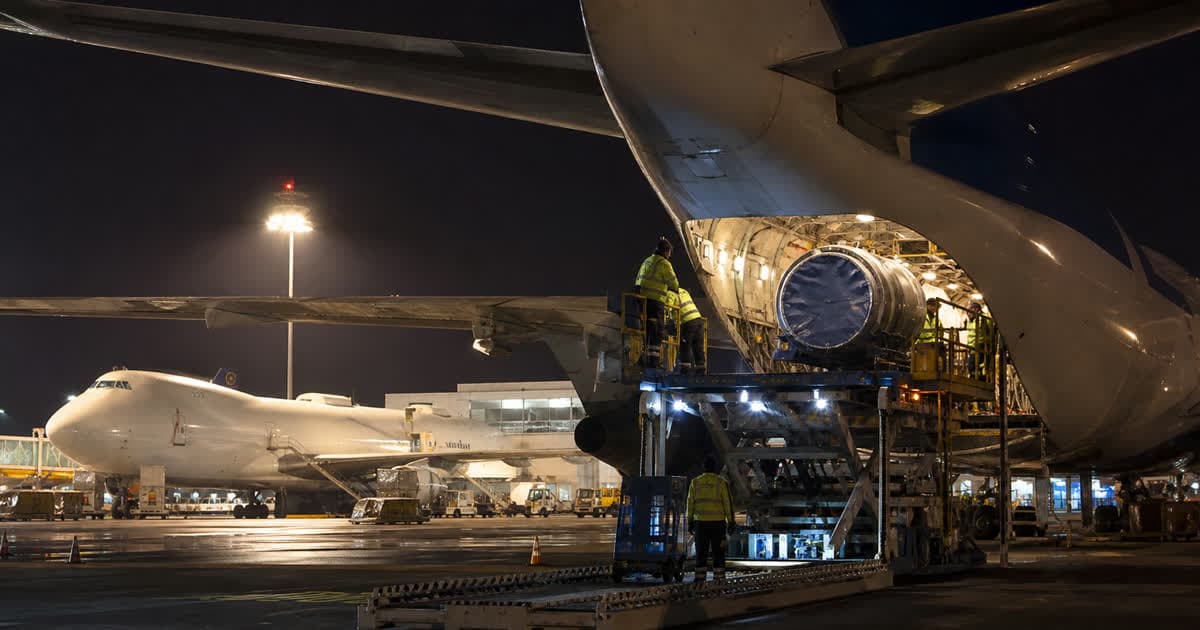
Air Charter vs Scheduled Air Freight: When a Charter Is Worth It
Charters are not just for oversized cargo. A cost and risk framework for deciding when a full or part charter beats waiting for space on scheduled services.
Which Freight Modes Actually Trade Online: Air, Ocean, Road and Rail
Online freight coverage is uneven by mode. Where instant rates are real, where quoting is still human, and what that means for how you buy each mode.
How to Track an International Shipment: What Each Number Tells You
Booking number, bill of lading, container number, air waybill, which one to use, where to check it, and why the milestones lag reality.

How Air Freight Pricing Works: Chargeable Weight, CBM and Rate Structures
Air freight pricing is more complex than it looks. Understanding chargeable weight, volumetric weight, and rate structures prevents expensive surprises on your air freight invoices.
Air Cargo ULD Types and Dimensions: A Shipper's Reference
The container and pallet types used in aircraft holds, what fits each aircraft, and why your pallet height decides your air freight cost.
Sea-Air Freight: The Middle Option Between Ocean and Air
Roughly half the transit of ocean at a fraction of air freight cost: how sea-air works, the hubs that make it possible, and when it is worth the complexity.
Europe to USA Shipping: The Transatlantic Freight Guide
Ports, modes and the paperwork that differs from Asia imports, plus why the transatlantic is the one lane where carrier choice really shows.
Air Cargo Security in 2026: ACAS, Screening and Known Consignor Status
Advance data and physical screening are two different regimes, and both changed in the last year. What ACAS requires now, what the EU expects, and six widely repeated claims that the primary sources contradict.

The 9 Dangerous Goods Classes, With Everyday Examples
Most dangerous goods problems start with a shipper who did not know their product was regulated. Here are the nine classes and the everyday goods that fall into them.

Shipping Lithium Batteries by Air and Sea in 2026
Lithium batteries are the most heavily regulated everyday cargo in freight, and the rules changed on 1 January 2026 for batteries shipped inside equipment.

Active vs Passive Cold Chain Packaging for Air Freight
A powered container and an insulated box solve the same problem differently. The choice turns on duration, value, volume and how much handling risk you can absorb.
Shipping Dangerous Goods: IMDG Code and IATA Regulations Explained
Sea and air both descend from the UN Model Regulations, so the classes match. Almost everything after classification is stricter by air, sometimes prohibitively.
Air Freight ULD Types: Which Unit Load Device Fits Your Cargo
Air cargo is built up on unit load devices before it ever reaches the aircraft. Choosing or accepting the wrong ULD type wastes chargeable space and can hold a shipment off a flight entirely.
Belly Cargo vs Freighter Aircraft: Where Air Freight Capacity Comes From
Every air freight booking sits either in the belly of a passenger aircraft or on a dedicated freighter, and the two behave differently. Knowing which one you are on explains size limits, dangerous goods rules, routing and why space vanishes when schedules change.
Air Waybill (AWB) Explained: Master vs House and How to Read One
The air waybill is the contract document for air cargo, but it is not a document of title and it cannot be endorsed to sell the goods. This guide covers the 11-digit number, master vs house AWBs, the boxes that matter and the mistakes that hold freight at the airport.
Container and Air Freight Market Update, Early October 2026
As of 6 October 2026, spot container rates into the US are at or near their highs while Asia to Europe keeps falling. Here is what moved since the 25 September updates, with each figure tied to its source and date.
Becoming an IATA Cargo Agent, and How CASS Settlement Works
IATA accreditation lets a forwarder sell on airline stock and settle every participating carrier through one CASS invoice, but it costs staff, capital and discipline. Here is what each status requires, how CASS billing works and when buying from a consolidator is the better choice.
On-Board Courier (OBC) and Hand-Carry Shipping Explained
An on-board courier is a person who flies as a passenger with your urgent shipment in their baggage. Here is when that beats next-flight-out air cargo or a charter, what limits apply, and how the price is built.
Shipping Cut-Off Times Explained: CY, SI, VGM and Customs Cut-Offs
A reference to the deadlines that decide whether cargo makes a sailing or a flight: what each cut-off is, who sets it, and which ones are fixed by law rather than by the carrier.