Tag
#Intermodal
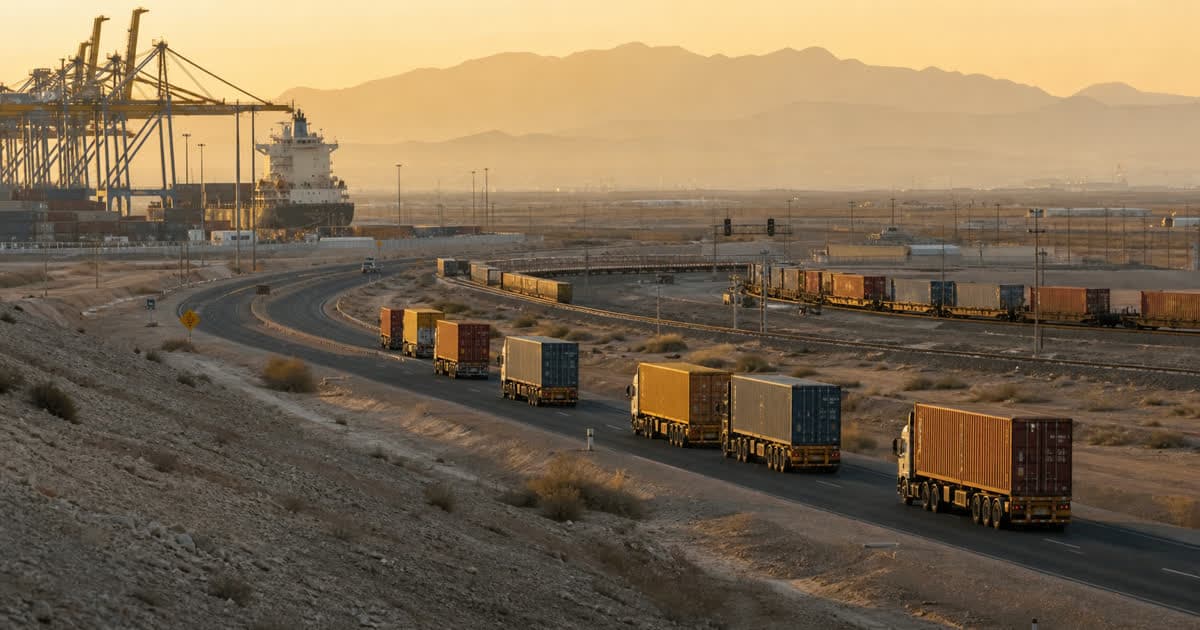
Reaching the Gulf When Hormuz Is Closed: Landbridge and Multimodal Routing
With no sea alternative to the Strait of Hormuz, cargo is reaching the Gulf by road from ports outside it. The corridors, the paperwork, the transit times and the costs.
Sea-Air Freight: The Middle Option Between Ocean and Air
Roughly half the transit of ocean at a fraction of air freight cost: how sea-air works, the hubs that make it possible, and when it is worth the complexity.
Inland Container Depots and Dry Ports: How Inland Clearance Works
An inland container depot (ICD) or dry port is a container terminal away from the coast, linked to a seaport by rail or road. This guide covers how the move works, who pays for what, and where the clocks and charges catch shippers out.
US Intermodal Rail Ramps, IPI and Container Moves Explained
An import container that is bound for Chicago or Dallas often lands at a West Coast port and finishes its journey on a train. This guide explains the routing terms, who controls the rail leg, what happens at the rail ramp, and where the charges and delays come from.
Barge Freight and Inland Waterway Container Shipping Explained
Barge freight moves containers and bulk cargo between seaports and inland terminals on rivers like the Rhine and Yangtze. It is cheap per unit and slow, and on the Rhine its price and capacity rise and fall with one river gauge at Kaub.
Canada-US Cross-Border Trucking: ACI eManifest, ACE, PARS and PAPS Explained
A truck crossing between Canada and the US needs two separate things: the carrier's advance cargo data (ACE going south, ACI eManifest going north) and a customs release request from the importer or broker (PAPS into the US, PARS into Canada). This guide explains each, who files it, and what usually goes wrong.
CMR Consignment Note and Road Freight Liability in Europe Explained
The CMR Convention of 1956 governs most international road freight between countries that have joined it. This guide explains the CMR consignment note, the carrier liability limit of 8.33 SDR per kilogram, the claim deadlines and what a forwarder changes.
The Middle Corridor (Trans-Caspian Route) Explained for Shippers
The Middle Corridor, also called the Trans-Caspian International Transport Route, moves containers from China through Kazakhstan, across the Caspian Sea and on through Azerbaijan and Georgia. This guide sets out the route, the sourced numbers, the bottlenecks and how it compares with the northern rail route and with ocean freight.
Shipping to Landlocked Countries: How Transit Corridors Work
Cargo for a landlocked country is discharged at a neighbour's seaport, moved onward under a customs transit procedure and cleared at the final destination. This guide explains the chain, why it costs more and what to settle before you book.
Managing Drayage Carriers as a Freight Forwarder
A drayage carrier is the one supplier that touches your customer's container at the terminal gate, and most of its risk is not on a general trucking checklist. This guide covers the intermodal-specific checks, rate terms, appointment costs and a scorecard for managing drayage carriers.