Tag
#Rail Freight
Which Freight Modes Actually Trade Online: Air, Ocean, Road and Rail
Online freight coverage is uneven by mode. Where instant rates are real, where quoting is still human, and what that means for how you buy each mode.
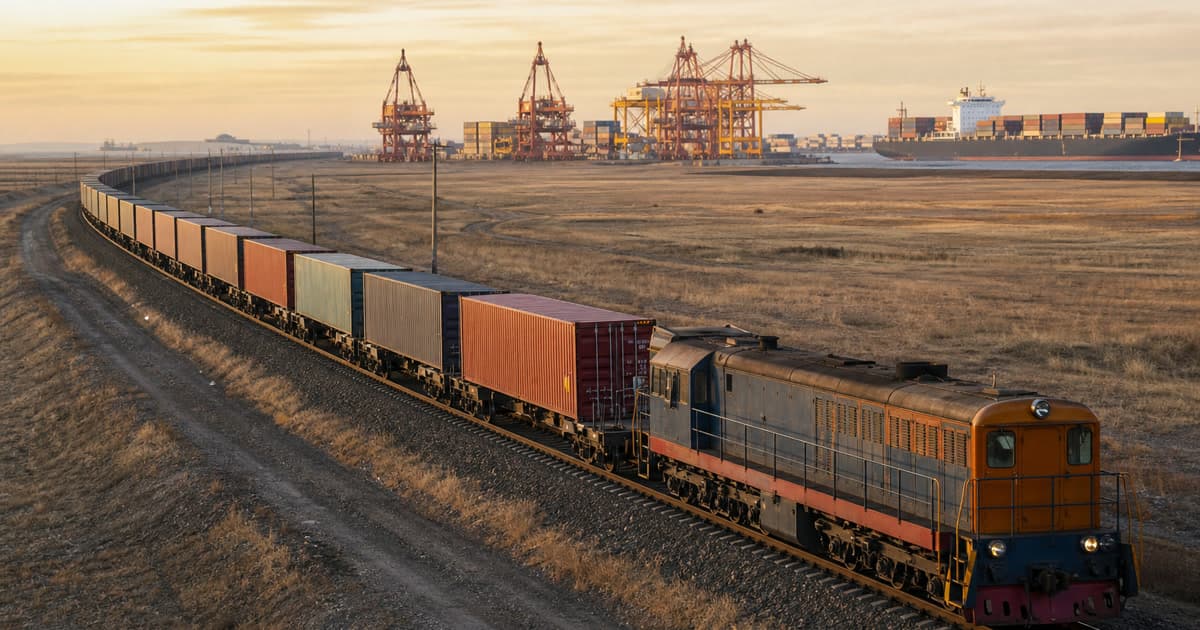
Asia-Europe Rail vs Ocean in 2026: When the Landbridge Wins
Cape routing pushed Asia-Europe ocean transits past six weeks. That changes the rail comparison for the first time in years. A cost, speed and risk breakdown.
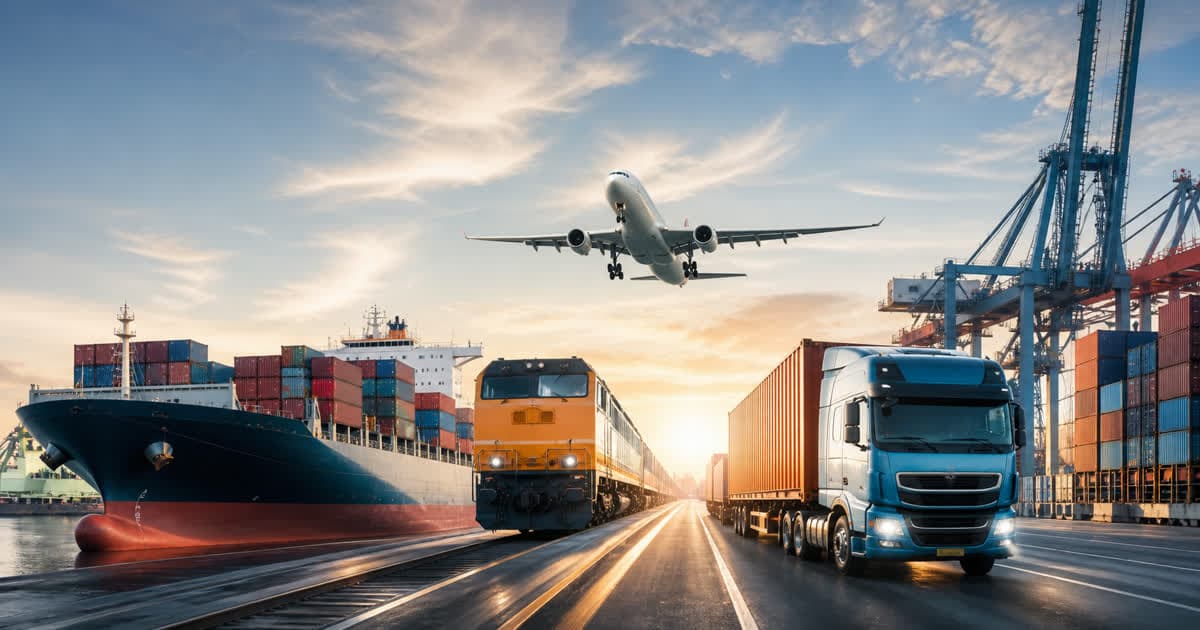
China-Europe Rail Freight: Is It Right for Your Supply Chain?
China-Europe rail freight offers a compelling middle ground between ocean and air. Here is everything you need to know about transit times, costs, routes, and cargo suitability.
Inland Container Depots and Dry Ports: How Inland Clearance Works
An inland container depot (ICD) or dry port is a container terminal away from the coast, linked to a seaport by rail or road. This guide covers how the move works, who pays for what, and where the clocks and charges catch shippers out.
US Intermodal Rail Ramps, IPI and Container Moves Explained
An import container that is bound for Chicago or Dallas often lands at a West Coast port and finishes its journey on a train. This guide explains the routing terms, who controls the rail leg, what happens at the rail ramp, and where the charges and delays come from.
EU Common Transit Explained: NCTS, T1 vs T2 and the MRN
Transit lets goods cross several countries under customs supervision with duty and VAT suspended. This guide explains T1 and T2, the MRN, the principal and the guarantee, and what happens if a movement is not discharged.
The Middle Corridor (Trans-Caspian Route) Explained for Shippers
The Middle Corridor, also called the Trans-Caspian International Transport Route, moves containers from China through Kazakhstan, across the Caspian Sea and on through Azerbaijan and Georgia. This guide sets out the route, the sourced numbers, the bottlenecks and how it compares with the northern rail route and with ocean freight.