Tag
#Risk Management
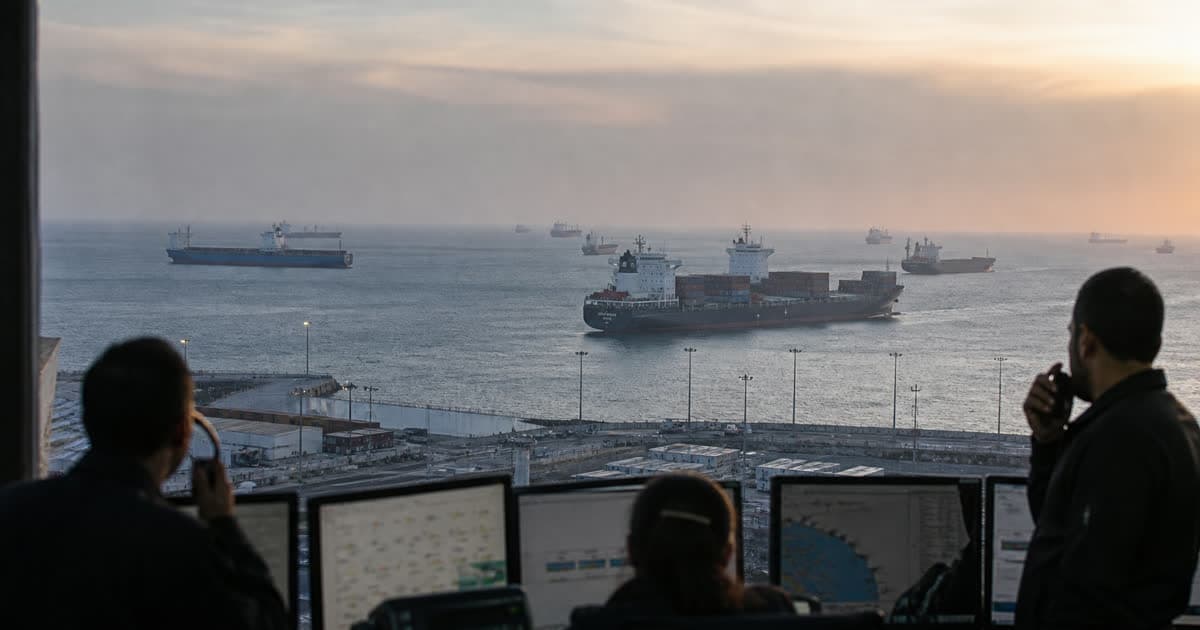
Strait of Hormuz Disruption: A Shipper's Playbook for Gulf Cargo
Hormuz has been effectively closed to mainstream container traffic since late February 2026. Here is how shippers are still moving cargo into and out of the Gulf, and what it costs.

8 Contingency Questions to Ask Your Freight Forwarder Before the Next Disruption
Every forwarder handles a normal shipment. 2026 showed which ones handle a closed corridor. Eight questions that reveal whether your provider has a real plan B.
War Risk and Emergency Surcharges: How to Read and Challenge Them
WRS, ECS, EFS, PSS: 2026 invoices carry more emergency surcharges than base freight in some lanes. What each one is, when it legitimately applies, and how to push back.
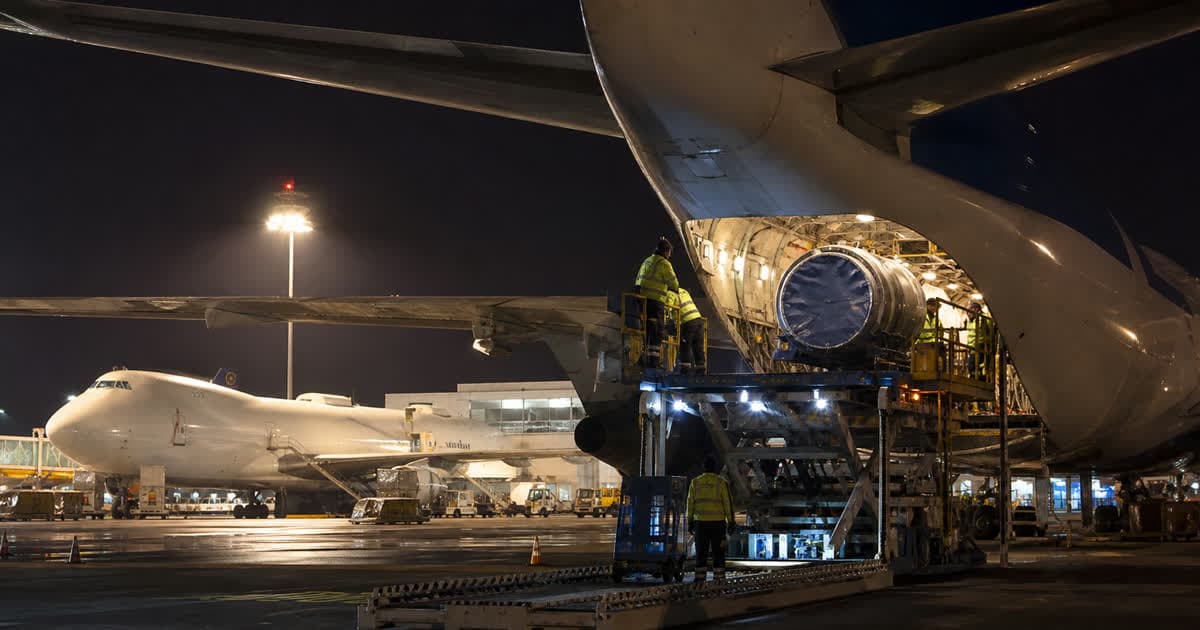
Air Charter vs Scheduled Air Freight: When a Charter Is Worth It
Charters are not just for oversized cargo. A cost and risk framework for deciding when a full or part charter beats waiting for space on scheduled services.
How to File a Cargo Claim: The Step-by-Step Process
Notice deadlines, the documents you need, what carrier liability actually pays, and the three mistakes that kill a claim before it starts.
What Your Forwarder's Trading Conditions Actually Say
The standard terms behind every booking: liability caps, time bars, lien clauses and the agent-versus-principal distinction that decides who you can sue.
Restricted Party Screening: What Exporters and Forwarders Must Check
The lists, the free official tool, why EAR99 does not mean unrestricted, and the ownership rule that blocks companies whose names appear on no list at all.
US Customs Bonds: Single Entry vs Continuous, and How the Amount Is Set
What a bond actually guarantees, the formula behind the number, and why paying high duties does not use it up.
Cargo Securing Inside the Container: The Step Most Shippers Skip
Packing a container is not stacking boxes: weight distribution, void filling and lashing decide whether cargo arrives intact or becomes a claim.
Demurrage and Detention Invoices: The FMC Rules That Let You Refuse to Pay
A US invoice missing any required element eliminates your obligation to pay it, plus the provision that was struck down in 2025 and is still quoted everywhere.

Institute Cargo Clauses A, B and C: What Each One Covers
A and C are not the same product at different prices. One covers all risks minus exclusions, the other covers a short list of named perils and nothing else.

Carrier Liability Limits: What You Actually Get Paid
Carriers are liable, but only up to a limit set per kilo or per package. On most cargo that limit pays out a fraction of what the goods were worth.

Cold Chain Data Loggers and Temperature Excursions
An excursion is not automatically a loss. The damage is usually done by whoever decides on the spot to write the shipment off, or to accept it without telling anyone.

Dunnage, Lashing and Bracing: Securing Cargo for Sea
Cargo at sea is not sitting still. It is being accelerated in three axes for weeks, and restraint has to be designed for that, not for the drive to the port.

General Average: Why Another Shipper's Fire Can Cost You
Your cargo is undamaged, the ship is safe, and you still owe money. General average is the oldest rule in shipping and the one that surprises shippers most.

What Cargo Insurance Does Not Cover
The exclusions apply to all risks cover just as much as to the narrow clause sets. These are the ones that decline real claims on genuinely damaged cargo.

Export Crating: When a Box Is Not Enough
Machinery and capital equipment need structure, not cardboard. Crating is also where corrosion protection, desiccant and shock indicators come in.

How Much Cargo Insurance to Buy: CIF Plus 10 Explained
CIF plus 10 percent is the default sum insured on almost every shipment. It comes from one line in Incoterms, and for some cargo it is materially too low.

Cargo Insurance Explained: Why Carrier Liability Is Never Enough
Carrier liability is capped by weight, not value, so it pays a fraction of most losses. Cargo insurance covers the gap, and it is cheaper than shippers expect.

Stretch Wrap, Strapping and Getting a Pallet to Arrive Intact
Most pallets fail the same way: the film never gripped the pallet, so the load slides off the base as one piece. Thickness is not the measure that matters.
Freight Forwarder Insurance: E&O, Cargo Legal Liability and Cyber Cover Explained
A freight forwarder needs different insurance than the cargo insurance sold to shippers. Here is what errors & omissions, cargo legal liability, and cyber cover each actually protect against.
Handling a Cargo Claim Against Your Forwarding Business
A cargo claim lands on your desk and the clock starts on three separate deadlines, only one of which is the customer claim against you. Here is what a forwarder should do first, which notice periods genuinely bar a claim, what the current liability limits are, and how forwarders lose the right to pass a claim up the chain.
Freight Fraud: Fictitious Pickups and Double Brokering
A load vanishes because it was handed to a convincing imposter, not because it was hijacked at gunpoint. Fictitious pickup, double brokering and carrier identity theft are distinct problems with distinct defences, and a May 2026 Supreme Court decision just changed who is liable when the vetting fails.
Retail Vendor Compliance and Chargebacks for Forwarders
A shipper delivering to a major retailer is bound by a routing guide the forwarder never sees: approved carriers, appointment windows, label formats and advance ship notices. Miss one and a chargeback lands on the shipper, not the truck that caused it. Here is how the system works and how a forwarder stays out of it.
Currency Risk in Freight Quotes: What Forwarders Should Do About It
A forwarder often buys in one currency and sells in another, and the gap between quote date and invoice date is where the exposure sits. Here is where it arises and how to contain it in the quote itself.
Trade Credit Insurance and Credit Control for Freight Forwarders
A forwarder often pays carriers, haulage and duties before the customer pays it. Here is how to check a customer, set a limit, decide when to hold cargo, and where trade credit insurance fits.
Letters of Indemnity in Shipping: What Forwarders Need to Know
A letter of indemnity moves cargo when the paperwork has not caught up, but it is only as good as the credit of whoever signs it and does nothing for an innocent third party who later holds the bill. Here are the four situations forwarders actually see one in, and what P&I clubs themselves say about when their cover stops applying.
Marine and Cargo Surveys Explained: When You Need One
A marine or cargo survey is the independent record that settles a dispute before it starts, whether that is a buyer confirming quantity before loading or an insurer establishing cause of damage after arrival. Here is what each type checks, who pays, and how fast to move.
Standby Letters of Credit and Demand Guarantees: A Forwarder’s Guide
A carrier wants security before opening a credit account, or a project-cargo customer wants a performance guarantee. Both a standby letter of credit and a demand guarantee will do it, and both tie up a bank line the moment they are issued.
Port State Control Inspections and Vessel Detentions Explained
A Port State Control inspection can stop a vessel from sailing, and the difference between a routine deficiency and a full detention changes how long the delay might run. Here is what the inspectors actually check, how ships get selected, and what happens to the cargo on board.
Vetting a Trucking Carrier: MC Authority, Insurance and Carrier Packets
An active MC number and an active USDOT number are not the same thing, a certificate of insurance is not proof it is still in force, and a mismatched remit-to name is the cheapest red flag you can check. Here is the vetting checklist to run before you tender a load to a trucking carrier you have not used before.
Business Email Compromise and Bank Detail Fraud in Freight
Payment-diversion fraud does not steal cargo, it steals the invoice: a convincing email changes the bank account and your money, or your customer's, goes to a criminal. This guide covers how it works in freight, the controls that stop it and the first hours after a loss.
Dangerous Goods Training and Certification for Freight Forwarders
Any forwarder staff member who prepares, accepts or signs for dangerous goods needs function-specific training, refreshed on a fixed cycle and backed by records. Here is what IATA, the IMDG Code and 49 CFR require, and an internal control that stops untrained acceptance.
Job Costing, Accruals and Disbursements for Freight Forwarders
A freight forwarder only knows what a shipment earned once every cost has landed on the job file, and carrier invoices arrive weeks late. This guide covers estimates vs actuals, accruals, disbursements, month-end cut-off and where margin leaks.