Tag
#Ocean Freight
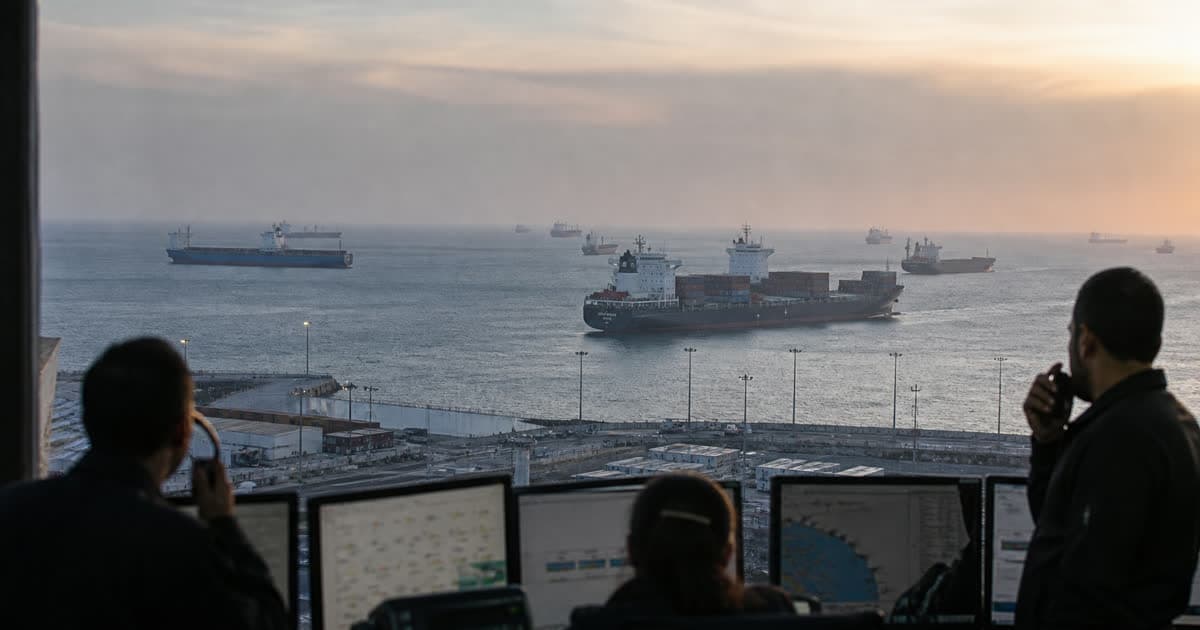
Strait of Hormuz Disruption: A Shipper's Playbook for Gulf Cargo
Hormuz has been effectively closed to mainstream container traffic since late February 2026. Here is how shippers are still moving cargo into and out of the Gulf, and what it costs.
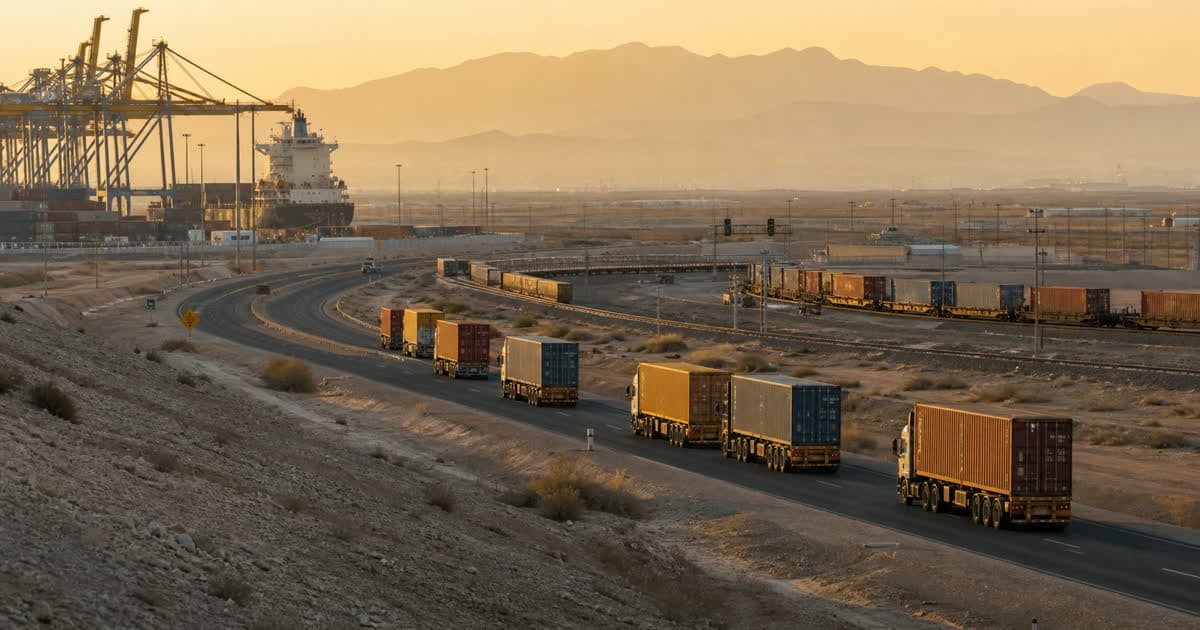
Reaching the Gulf When Hormuz Is Closed: Landbridge and Multimodal Routing
With no sea alternative to the Strait of Hormuz, cargo is reaching the Gulf by road from ports outside it. The corridors, the paperwork, the transit times and the costs.

Global Freight Market Update, August 2026: Rates, Routes and Risk
Hormuz is still effectively shut, the Cape is carrying Asia-Europe, tariff authority has been rebuilt from scratch and emissions costs are now fully loaded. A shipper's read on the freight market as of 9 August 2026.

Shipping from Malaysia to the USA: Ocean Freight Guide, Costs, and Transit Times
Shipping from Malaysia to the USA is one of Asia's most active trade lanes. This guide covers transit times, freight costs, FCL vs LCL options, Port Klang routing, documentation, and how to find freight forwarders for the Malaysia-USA corridor.
Which Freight Modes Actually Trade Online: Air, Ocean, Road and Rail
Online freight coverage is uneven by mode. Where instant rates are real, where quoting is still human, and what that means for how you buy each mode.

NVOCC vs Freight Forwarder: What Is the Difference?
NVOCCs and freight forwarders both move cargo internationally, but they operate under different legal frameworks. Learn which is best for your shipping needs.
Ocean Freight Transit Times by Route: What to Realistically Expect
Ocean freight transit times vary dramatically by trade lane, carrier, and routing. Here are realistic transit time expectations for the world major shipping routes.
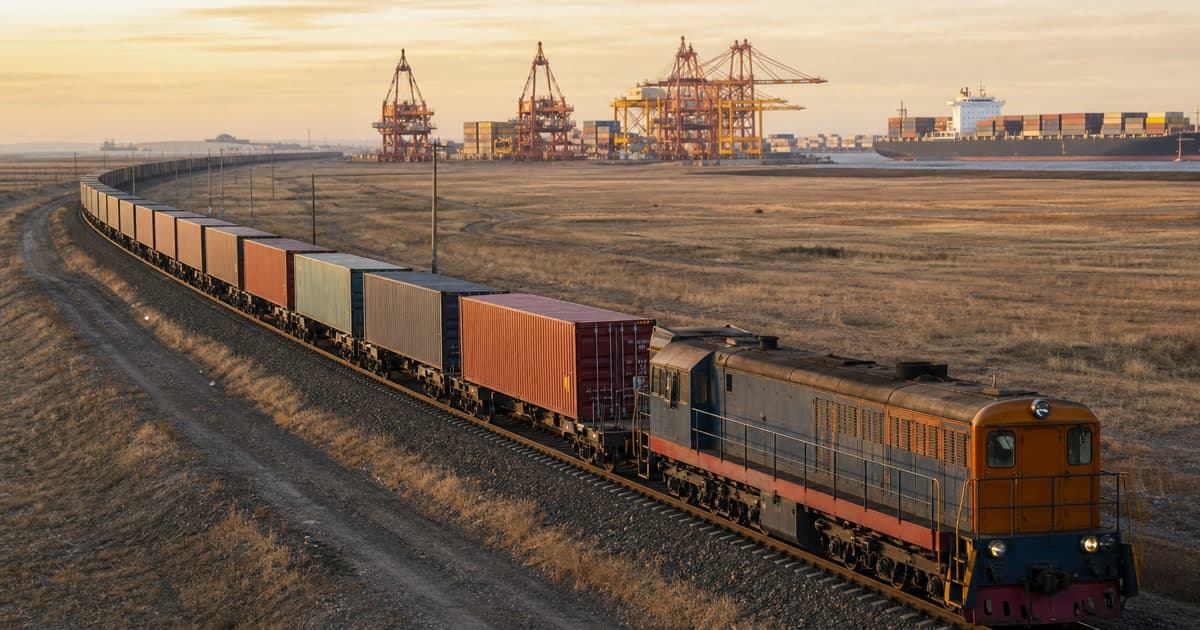
Asia-Europe Rail vs Ocean in 2026: When the Landbridge Wins
Cape routing pushed Asia-Europe ocean transits past six weeks. That changes the rail comparison for the first time in years. A cost, speed and risk breakdown.
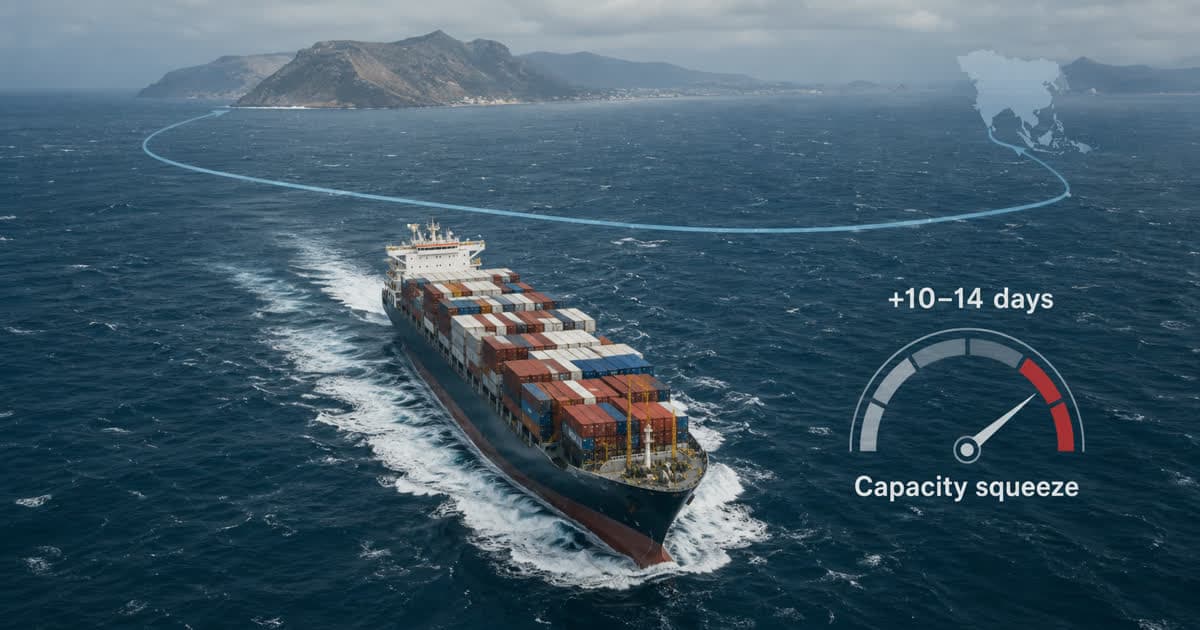
Red Sea, Cape Routing and the 2026 Capacity Squeeze
Why a longer route makes ships disappear from the market, how much capacity Cape routing absorbs, and what has to happen before Asia-Europe rates normalise.

Peak Season 2026 Came Early: How Shippers Should Book Through It
Front-loading ahead of tariff deadlines pulled peak season forward into the second quarter of 2026. What that means for booking, allocation and Q4 capacity.
How to Track an International Shipment: What Each Number Tells You
Booking number, bill of lading, container number, air waybill, which one to use, where to check it, and why the milestones lag reality.

Container Tracking Explained: What the Box Number Can and Cannot Tell You
How container numbers are structured, what the check digit is for, why one container can hold several shipments, and where the real status lives.

Freight Surcharges Decoded: BAF, CAF, PSS and Every Fee on Your Invoice
Freight invoices are full of acronyms that can add 30-50% to your base rate. Here is what every abbreviation on your freight invoice actually means.
CargoLinked vs SeaRates: A Tool Suite or a Quote Marketplace?
SeaRates is DP World's calculator-and-tracking ecosystem with instant booking. CargoLinked is a directory and request board. What each is actually for.
Container Types and Dimensions: The Numbers That Decide Your Booking
Internal dimensions, nominal versus usable volume, and the payload limit that is almost never the container's own limit.
China+1 Sourcing: What Shipping Actually Looks Like From 8 Alternative Countries
Eight China+1 countries compared on ports, realistic modes and the freight friction nobody mentions when they pitch you the factory.
Export Packaging and Palletisation: The Checklist That Protects Your Cargo and Your Rate
Carton specs, pallet standards, ISPM 15, and the packaging decisions that quietly change what you are charged.
Temperature-Controlled Freight: 9 Things You Must Specify
Setpoint, ventilation, pre-cooling, cold-chain gaps and data loggers. The details that decide whether reefer cargo arrives sellable.
Project Cargo and Out-of-Gauge Shipping: What Changes
When cargo stops fitting a container, everything changes: equipment, pricing, route surveys, lifting plans and lead times.
Bill of Lading Types Explained: Original, Seaway, Telex and Switch
Which bill of lading releases your cargo, which one controls payment, and the mix-up that leaves containers sitting at destination.
Ocean Carrier Alliances in 2026: Who Sails With Whom, and Why It Matters
Gemini, Ocean Alliance, Premier and the independents: the current line-up, capacity shares, and the schedule-reliability gap that is now enormous.
The 15 Busiest Container Ports, and Why the Biggest Is Not the Point
Full-year 2025 throughput for the top 15, plus the gateway-versus-transshipment split that decides whether a port matters to your cargo at all.
Sea-Air Freight: The Middle Option Between Ocean and Air
Roughly half the transit of ocean at a fraction of air freight cost: how sea-air works, the hubs that make it possible, and when it is worth the complexity.
Transloading and Deconsolidation: What Happens to Your Cargo at the Port
Moving cargo from ocean containers into domestic trailers can cut inland cost sharply, or add a handling step you did not need.
Thailand to USA Shipping: Ports, Modes and Lead Times
Laem Chabang to the US West and East Coasts: what ships, how long it takes, and why Thailand is operationally the easiest China+1 origin.
Europe to USA Shipping: The Transatlantic Freight Guide
Ports, modes and the paperwork that differs from Asia imports, plus why the transatlantic is the one lane where carrier choice really shows.
Cargo Securing Inside the Container: The Step Most Shippers Skip
Packing a container is not stacking boxes: weight distribution, void filling and lashing decide whether cargo arrives intact or becomes a claim.
Demurrage and Detention Invoices: The FMC Rules That Let You Refuse to Pay
A US invoice missing any required element eliminates your obligation to pay it, plus the provision that was struck down in 2025 and is still quoted everywhere.
India to USA Freight: Ocean, Air & Pharma Cold Chain Guide
A practical guide to India to USA shipping: ocean and air freight, Nhava Sheva and Mundra ports, transit times, India and US customs, and pharma cold chain.

How to Read a Container Number and CSC Plate
The eleven characters on the side of a container are a checkable code, not a serial number. Here is how to verify one yourself and what the safety plate on the door means.

The 9 Dangerous Goods Classes, With Everyday Examples
Most dangerous goods problems start with a shipper who did not know their product was regulated. Here are the nine classes and the everyday goods that fall into them.

Reefer Setpoints, Ventilation and Humidity: What to Specify
Most reefer claims trace back to three lines on a booking that nobody filled in properly. Here is what each setting does and what happens when it is wrong.

Container Weight Limits, Payload and VGM
A container can legally hold far more than a truck can legally carry it. Loading to the plate figure is how shipments become undeliverable by road.

The Dangerous Goods Declaration: How to Get It Right
Most dangerous goods declarations are refused for the order of words in the shipping name, not for anything about the cargo. Here is how to complete one properly.

Dunnage, Lashing and Bracing: Securing Cargo for Sea
Cargo at sea is not sitting still. It is being accelerated in three axes for weeks, and restraint has to be designed for that, not for the drive to the port.

General Average: Why Another Shipper's Fire Can Cost You
Your cargo is undamaged, the ship is safe, and you still owe money. General average is the oldest rule in shipping and the one that surprises shippers most.

Pallet Sizes Around the World and How They Fit a Container
A container floor is 2.35m wide, and no common pallet divides into it neatly. Which pallet you use decides how much of the box you actually pay to ship as air.

Shipping Lithium Batteries by Air and Sea in 2026
Lithium batteries are the most heavily regulated everyday cargo in freight, and the rules changed on 1 January 2026 for batteries shipped inside equipment.

Reefer, Flat Rack, Open Top and Tank: Special Equipment
Special equipment is scarcer, dearer and slower to position than a standard box. Here is what each type is actually for and when a standard container will do.

Container Damage, Detention and Per Diem: Who Pays
The container is not yours. You are borrowing it, and the charges for holding it or returning it damaged are separate from the freight you agreed.

Segregation and Stowage of Dangerous Goods at Sea
Two containers that are each perfectly safe can be a serious hazard side by side. Segregation is why a dangerous goods booking takes longer and costs more.

High Cube vs Standard: When the Extra Foot Helps
The extra foot of height is nearly free at sea and occasionally impossible on the road. Whether it helps depends on your cargo height and your destination.

Limited and Excepted Quantities: When Full DG Rules Do Not Apply
Small quantities in small inner packagings pose less risk, and the regulations recognise it. Two separate regimes exist and they are frequently confused.

Shipping Fresh Produce: Controlled Atmosphere and Ethylene
Fresh produce is alive in the container. It breathes, it gives off heat and ethylene, and several popular fruits are ruined by being kept too cold.
Shipping Dangerous Goods: IMDG Code and IATA Regulations Explained
Sea and air both descend from the UN Model Regulations, so the classes match. Almost everything after classification is stricter by air, sometimes prohibitively.

Shipper-Owned vs Carrier-Owned Containers (SOC vs COC)
A shipper-owned container stops the detention clock permanently. It also makes the empty your problem, which is the whole calculation.

Marine Pollutants and UN Numbers: Getting Classification Right
Marine pollutant status is an extra label on top of whatever your cargo already is. Plenty of ordinary products qualify, including detergents and paints.

Pre-Cooling and Loading a Reefer Without Breaking the Chain
The chain usually breaks in the twenty minutes the doors are open. Loading a reefer properly is a sequence, and one step of it is the opposite of intuition.
Breakbulk and Project Cargo: When Your Freight Does Not Fit a Container
Breakbulk and project cargo cover the freight that containers were never designed for: oversized, overweight, or awkwardly shaped loads that need their own stowage plan, not a booking reference.
Minimum Bill of Lading Charges: Weight, Volume and When They Kick In
Every freight rate has a minimum chargeable weight or volume behind it. Small shipments routinely pay for cargo they never actually sent because the minimum was never checked against the real numbers.
RoRo vs Container Shipping for Vehicles and Machinery
RoRo and container shipping are priced differently, measured differently and regulated differently, and the choice is usually decided by height, weight and rating basis rather than by preference. Here are the real deck and door numbers, what the 2026 fire safety and dangerous goods rules actually changed, and the export and import compliance that catches vehicle shippers out.
Vessel Sharing Agreements and Slot Chartering Explained
Alliance news tells you who is partnering with whom. It rarely explains the mechanism: how carriers legally pool vessels, why a filed agreement gets antitrust immunity, and why the carrier on your bill of lading may not be the one that operated the ship. That last point decides where a cargo claim actually goes.
Empty Container Return: Avoiding Detention When a Terminal Refuses It
A container returned late because the designated terminal simply would not accept it is the single most common way a legitimate detention dispute arises, and the rule that governs it has now been tested in court. Here is how the return leg actually works, and what to do when the door is closed.
Freight Market Update, September 2026: A Sharper Gulf, a Longer Peak
Six weeks ago we covered a Gulf crisis pushing traffic around the Cape and an early peak season expected to fade. Neither read holds up unchanged. The Gulf situation has escalated further, and peak season did not fade, it got a second, larger wave nobody forecast a month ago.
Peak Season 2026 Wasn’t Over When Everyone Said It Was
On 3 August, this publication covered an early 2026 peak season expected to fade by autumn. Six weeks later, the National Retail Federation reversed its own forecast, ports posted their busiest summer on record, and ocean rates climbed instead of easing. Here is what actually happened.
US-China Vessel Port Fees Are Suspended, Not Gone
A fee that was announced at $150 per unit, revised to a completely different structure before it took effect, charged for less than a month, then suspended, is not a settled policy. It expires in seven weeks. Here is exactly where things stand today.
Container Freight Indices Explained: SCFI, WCI, FBX and XSI
Every week a different headline says container rates rose or fell, and the numbers rarely match. This guide explains who publishes each major index, what it actually measures, and how to use one when you talk to a forwarder.
Charter Party Laytime, Demurrage and Despatch Explained
Charter party demurrage and container demurrage share a name and nothing else. Here is how laytime, Notice of Readiness, demurrage and despatch actually work in a voyage charter, verified against BIMCO and GENCON text, for a shipper or forwarder chartering bulk or breakbulk space.