Ocean, Air & Multimodal Shipping
FCL vs LCL, air freight pricing, transit times, rail freight, and dangerous goods. Choose the right mode.
All Shipping Modes guides
US Intermodal Rail Ramps, IPI and Container Moves Explained
An import container that is bound for Chicago or Dallas often lands at a West Coast port and finishes its journey on a train. This guide explains the routing terms, who controls the rail leg, what happens at the rail ramp, and where the charges and delays come from.
Panamax, Neopanamax and ULCV Container Ship Classes Explained
Container ships are grouped by size class (feeder, Panamax, Neopanamax, ULCV), and the class decides which canals and ports a ship can use. This guide gives the TEU ranges, the canal limits and what size means for a shipper in practice.
Blank Sailings and Void Sailings Explained for Shippers
A blank sailing, also called a void sailing, is a scheduled voyage that the carrier cancels. This guide explains why carriers do it, how it differs from rolled cargo and skipped ports, and what to do when your sailing is blanked.
Air Waybill (AWB) Explained: Master vs House and How to Read One
The air waybill is the contract document for air cargo, but it is not a document of title and it cannot be endorsed to sell the goods. This guide covers the 11-digit number, master vs house AWBs, the boxes that matter and the mistakes that hold freight at the airport.
Tank Containers and Flexitanks: Shipping Bulk Liquids Without Drums
An ISO tank container is a reusable stainless-steel vessel in a steel frame, and a flexitank is a single-use bladder inside an ordinary dry container. This guide compares cargo limits, fill rules, risks and what to check before you book.
Revenue Tons and Stowage Factor: How Bulk and LCL Freight Pricing Works
Stowage factor and the revenue ton are the units that decide whether bulk, breakbulk and LCL ocean freight gets priced by weight or by volume. The widely quoted 1 CBM equals 1,000 kg shortcut is a carrier convention, not a physical law.
IMO Sulphur Cap, Emission Control Areas and Scrubbers Explained
The IMO sulphur cap and EU carbon surcharges are not the same charge. One controls SOx air pollution and has applied worldwide since 2020; the other prices carbon. Here is how the sulphur rule, its Emission Control Areas and scrubbers actually work.
Port State Control Inspections and Vessel Detentions Explained
A Port State Control inspection can stop a vessel from sailing, and the difference between a routine deficiency and a full detention changes how long the delay might run. Here is what the inspectors actually check, how ships get selected, and what happens to the cargo on board.
Reefer Container PTI and Cold Chain Monitoring: What Shippers Need to Know
A Pre-Trip Inspection tells you a reefer container can hold set point before you load it, nothing more. Here is what PTI actually checks, who is supposed to pay for it, and why it is not the same thing as watching the box during the voyage.
Charter Party Laytime, Demurrage and Despatch Explained
Charter party demurrage and container demurrage share a name and nothing else. Here is how laytime, Notice of Readiness, demurrage and despatch actually work in a voyage charter, verified against BIMCO and GENCON text, for a shipper or forwarder chartering bulk or breakbulk space.
Marine and Cargo Surveys Explained: When You Need One
A marine or cargo survey is the independent record that settles a dispute before it starts, whether that is a buyer confirming quantity before loading or an insurer establishing cause of damage after arrival. Here is what each type checks, who pays, and how fast to move.
Belly Cargo vs Freighter Aircraft: Where Air Freight Capacity Comes From
Every air freight booking sits either in the belly of a passenger aircraft or on a dedicated freighter, and the two behave differently. Knowing which one you are on explains size limits, dangerous goods rules, routing and why space vanishes when schedules change.
Cross-Docking and Consolidation Hubs Explained: How Freight Moves Without Sitting Still
Cross-docking moves freight from an inbound vehicle to an outbound one with little or no storage in between. Here is how it works, where hub-and-spoke networks use it, and where it goes wrong.
Inland Container Depots and Dry Ports: How Inland Clearance Works
An inland container depot (ICD) or dry port is a container terminal away from the coast, linked to a seaport by rail or road. This guide covers how the move works, who pays for what, and where the clocks and charges catch shippers out.
Container Freight Indices Explained: SCFI, WCI, FBX and XSI
Every week a different headline says container rates rose or fell, and the numbers rarely match. This guide explains who publishes each major index, what it actually measures, and how to use one when you talk to a forwarder.
Empty Container Return: Avoiding Detention When a Terminal Refuses It
A container returned late because the designated terminal simply would not accept it is the single most common way a legitimate detention dispute arises, and the rule that governs it has now been tested in court. Here is how the return leg actually works, and what to do when the door is closed.
Oversize Load Permits and Pilot Cars Explained
There is no national oversize load permit in the United States. Every state sets its own dimension thresholds, its own escort requirements, and its own process, and a coast-to-coast heavy haul means a separate application to nearly every one of them. Here is how the system actually works.
LTL Freight Class and NMFC Explained
Freight class decides what an LTL shipment costs, and it is set by a private industry standard, not a government rule. Since July 2025 most commodities are classed by measured density rather than a fixed lookup, and the system is still being rewritten: a public comment period on the next round of changes closes in days.
Vessel Sharing Agreements and Slot Chartering Explained
Alliance news tells you who is partnering with whom. It rarely explains the mechanism: how carriers legally pool vessels, why a filed agreement gets antitrust immunity, and why the carrier on your bill of lading may not be the one that operated the ship. That last point decides where a cargo claim actually goes.
RoRo vs Container Shipping for Vehicles and Machinery
RoRo and container shipping are priced differently, measured differently and regulated differently, and the choice is usually decided by height, weight and rating basis rather than by preference. Here are the real deck and door numbers, what the 2026 fire safety and dangerous goods rules actually changed, and the export and import compliance that catches vehicle shippers out.
Air Freight ULD Types: Which Unit Load Device Fits Your Cargo
Air cargo is built up on unit load devices before it ever reaches the aircraft. Choosing or accepting the wrong ULD type wastes chargeable space and can hold a shipment off a flight entirely.
Breakbulk and Project Cargo: When Your Freight Does Not Fit a Container
Breakbulk and project cargo cover the freight that containers were never designed for: oversized, overweight, or awkwardly shaped loads that need their own stowage plan, not a booking reference.

Stretch Wrap, Strapping and Getting a Pallet to Arrive Intact
Most pallets fail the same way: the film never gripped the pallet, so the load slides off the base as one piece. Thickness is not the measure that matters.

Shipper-Owned vs Carrier-Owned Containers (SOC vs COC)
A shipper-owned container stops the detention clock permanently. It also makes the empty your problem, which is the whole calculation.

Pre-Cooling and Loading a Reefer Without Breaking the Chain
The chain usually breaks in the twenty minutes the doors are open. Loading a reefer properly is a sequence, and one step of it is the opposite of intuition.

Marine Pollutants and UN Numbers: Getting Classification Right
Marine pollutant status is an extra label on top of whatever your cargo already is. Plenty of ordinary products qualify, including detergents and paints.

Shipping Fresh Produce: Controlled Atmosphere and Ethylene
Fresh produce is alive in the container. It breathes, it gives off heat and ethylene, and several popular fruits are ruined by being kept too cold.

Limited and Excepted Quantities: When Full DG Rules Do Not Apply
Small quantities in small inner packagings pose less risk, and the regulations recognise it. Two separate regimes exist and they are frequently confused.

High Cube vs Standard: When the Extra Foot Helps
The extra foot of height is nearly free at sea and occasionally impossible on the road. Whether it helps depends on your cargo height and your destination.

Export Crating: When a Box Is Not Enough
Machinery and capital equipment need structure, not cardboard. Crating is also where corrosion protection, desiccant and shock indicators come in.

Segregation and Stowage of Dangerous Goods at Sea
Two containers that are each perfectly safe can be a serious hazard side by side. Segregation is why a dangerous goods booking takes longer and costs more.

Container Damage, Detention and Per Diem: Who Pays
The container is not yours. You are borrowing it, and the charges for holding it or returning it damaged are separate from the freight you agreed.

Cargo Marking and Labelling: What Goes on the Outside
The outside of the box is a document. It routes the cargo, tells handlers how to treat it, and in some cases is a customs requirement in its own right.

Active vs Passive Cold Chain Packaging for Air Freight
A powered container and an insulated box solve the same problem differently. The choice turns on duration, value, volume and how much handling risk you can absorb.

Reefer, Flat Rack, Open Top and Tank: Special Equipment
Special equipment is scarcer, dearer and slower to position than a standard box. Here is what each type is actually for and when a standard container will do.

Shipping Lithium Batteries by Air and Sea in 2026
Lithium batteries are the most heavily regulated everyday cargo in freight, and the rules changed on 1 January 2026 for batteries shipped inside equipment.

Pallet Sizes Around the World and How They Fit a Container
A container floor is 2.35m wide, and no common pallet divides into it neatly. Which pallet you use decides how much of the box you actually pay to ship as air.

GDP Pharma Shipping: What the Rules Actually Require
GDP is about documented control, not about how cold the box was. Most forwarders who say they are GDP compliant cannot produce what compliance actually requires.

Dunnage, Lashing and Bracing: Securing Cargo for Sea
Cargo at sea is not sitting still. It is being accelerated in three axes for weeks, and restraint has to be designed for that, not for the drive to the port.

The Dangerous Goods Declaration: How to Get It Right
Most dangerous goods declarations are refused for the order of words in the shipping name, not for anything about the cargo. Here is how to complete one properly.

Container Weight Limits, Payload and VGM
A container can legally hold far more than a truck can legally carry it. Loading to the plate figure is how shipments become undeliverable by road.

Cold Chain Data Loggers and Temperature Excursions
An excursion is not automatically a loss. The damage is usually done by whoever decides on the spot to write the shipment off, or to accept it without telling anyone.

Reefer Setpoints, Ventilation and Humidity: What to Specify
Most reefer claims trace back to three lines on a booking that nobody filled in properly. Here is what each setting does and what happens when it is wrong.

ISPM 15: Wood Packaging Rules and Why Shipments Get Rejected
The pallet under your cargo is regulated cargo in its own right. Untreated wood gets shipments refused entry, and the piece that fails is usually not the pallet.

The 9 Dangerous Goods Classes, With Everyday Examples
Most dangerous goods problems start with a shipper who did not know their product was regulated. Here are the nine classes and the everyday goods that fall into them.

How to Read a Container Number and CSC Plate
The eleven characters on the side of a container are a checkable code, not a serial number. Here is how to verify one yourself and what the safety plate on the door means.
Cargo Securing Inside the Container: The Step Most Shippers Skip
Packing a container is not stacking boxes: weight distribution, void filling and lashing decide whether cargo arrives intact or becomes a claim.
Transloading and Deconsolidation: What Happens to Your Cargo at the Port
Moving cargo from ocean containers into domestic trailers can cut inland cost sharply, or add a handling step you did not need.
Thailand to USA Shipping: Ports, Modes and Lead Times
Laem Chabang to the US West and East Coasts: what ships, how long it takes, and why Thailand is operationally the easiest China+1 origin.
Europe to USA Shipping: The Transatlantic Freight Guide
Ports, modes and the paperwork that differs from Asia imports, plus why the transatlantic is the one lane where carrier choice really shows.
US Drayage and Chassis: Why the Last 50 Miles Costs So Much
Per diem, chassis splits, dual transactions and appointment systems, the American port-to-door charges that surprise every first-time importer.
Sea-Air Freight: The Middle Option Between Ocean and Air
Roughly half the transit of ocean at a fraction of air freight cost: how sea-air works, the hubs that make it possible, and when it is worth the complexity.
The 15 Busiest Container Ports, and Why the Biggest Is Not the Point
Full-year 2025 throughput for the top 15, plus the gateway-versus-transshipment split that decides whether a port matters to your cargo at all.
Truck and Trailer Types: Dimensions, Pallet Counts and Weight Limits
European and North American trailer types side by side: internal dimensions, how many pallets fit, and the weight limit that binds first.
Air Cargo ULD Types and Dimensions: A Shipper's Reference
The container and pallet types used in aircraft holds, what fits each aircraft, and why your pallet height decides your air freight cost.
Project Cargo and Out-of-Gauge Shipping: What Changes
When cargo stops fitting a container, everything changes: equipment, pricing, route surveys, lifting plans and lead times.
Temperature-Controlled Freight: 9 Things You Must Specify
Setpoint, ventilation, pre-cooling, cold-chain gaps and data loggers. The details that decide whether reefer cargo arrives sellable.
Export Packaging and Palletisation: The Checklist That Protects Your Cargo and Your Rate
Carton specs, pallet standards, ISPM 15, and the packaging decisions that quietly change what you are charged.
China+1 Sourcing: What Shipping Actually Looks Like From 8 Alternative Countries
Eight China+1 countries compared on ports, realistic modes and the freight friction nobody mentions when they pitch you the factory.
Container Types and Dimensions: The Numbers That Decide Your Booking
Internal dimensions, nominal versus usable volume, and the payload limit that is almost never the container's own limit.

Container Tracking Explained: What the Box Number Can and Cannot Tell You
How container numbers are structured, what the check digit is for, why one container can hold several shipments, and where the real status lives.
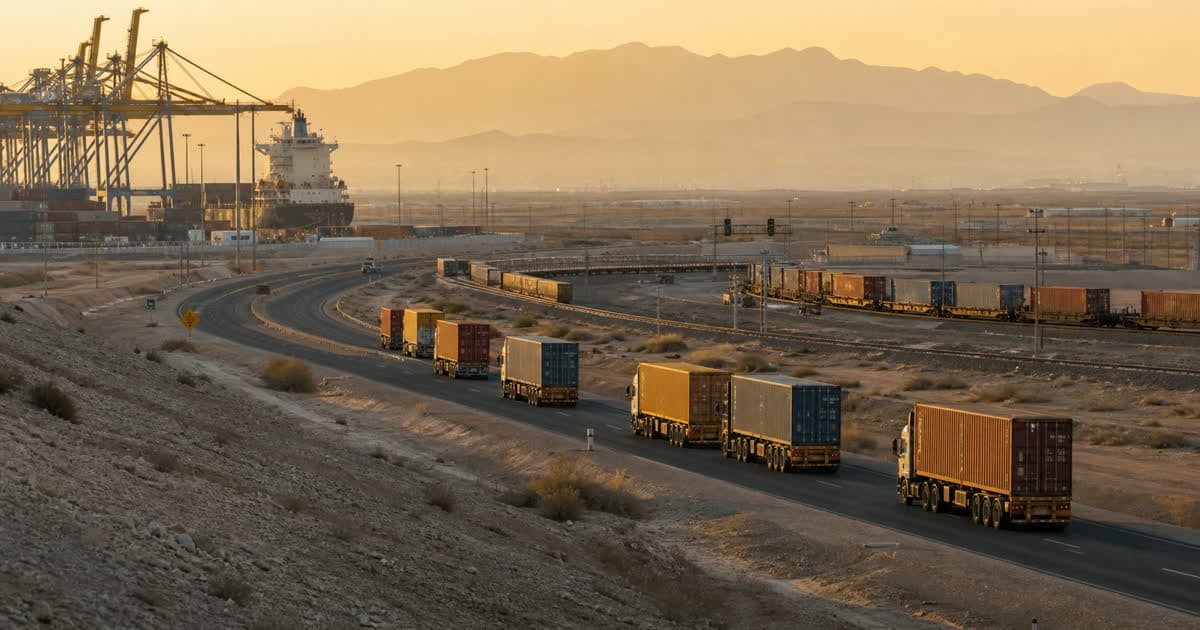
Reaching the Gulf When Hormuz Is Closed: Landbridge and Multimodal Routing
With no sea alternative to the Strait of Hormuz, cargo is reaching the Gulf by road from ports outside it. The corridors, the paperwork, the transit times and the costs.
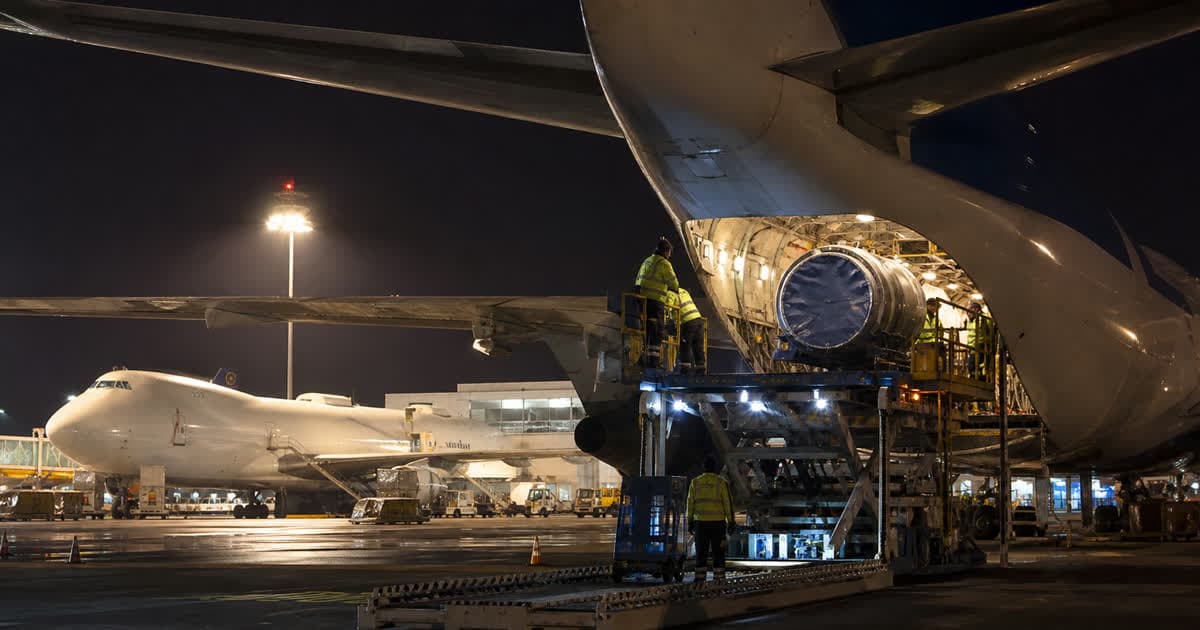
Air Charter vs Scheduled Air Freight: When a Charter Is Worth It
Charters are not just for oversized cargo. A cost and risk framework for deciding when a full or part charter beats waiting for space on scheduled services.
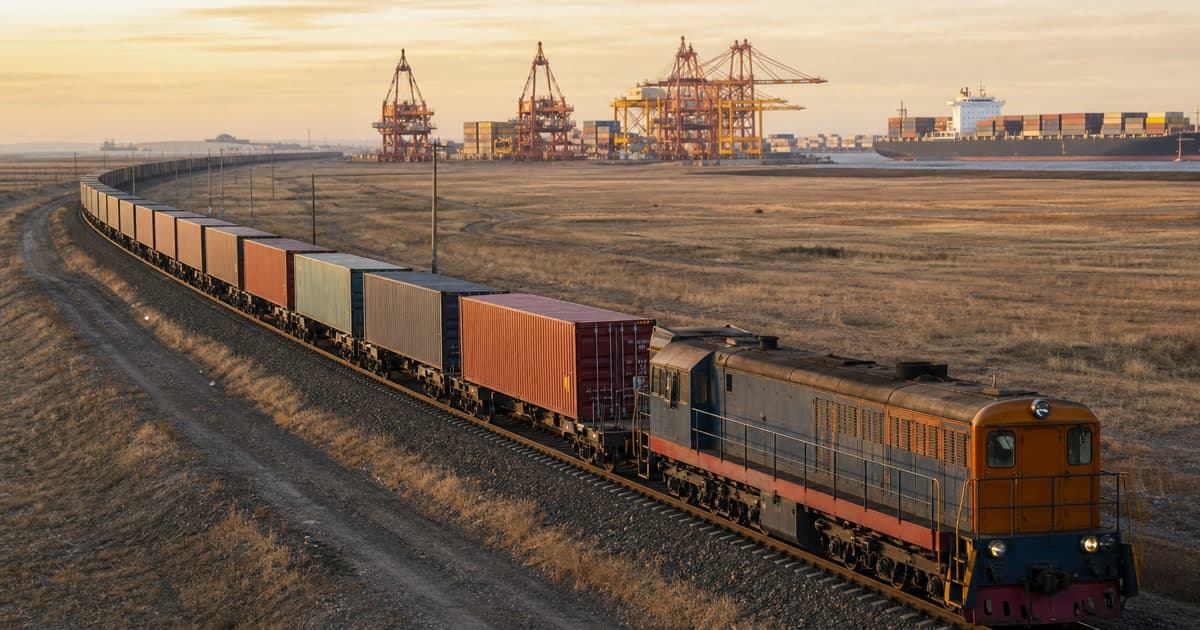
Asia-Europe Rail vs Ocean in 2026: When the Landbridge Wins
Cape routing pushed Asia-Europe ocean transits past six weeks. That changes the rail comparison for the first time in years. A cost, speed and risk breakdown.
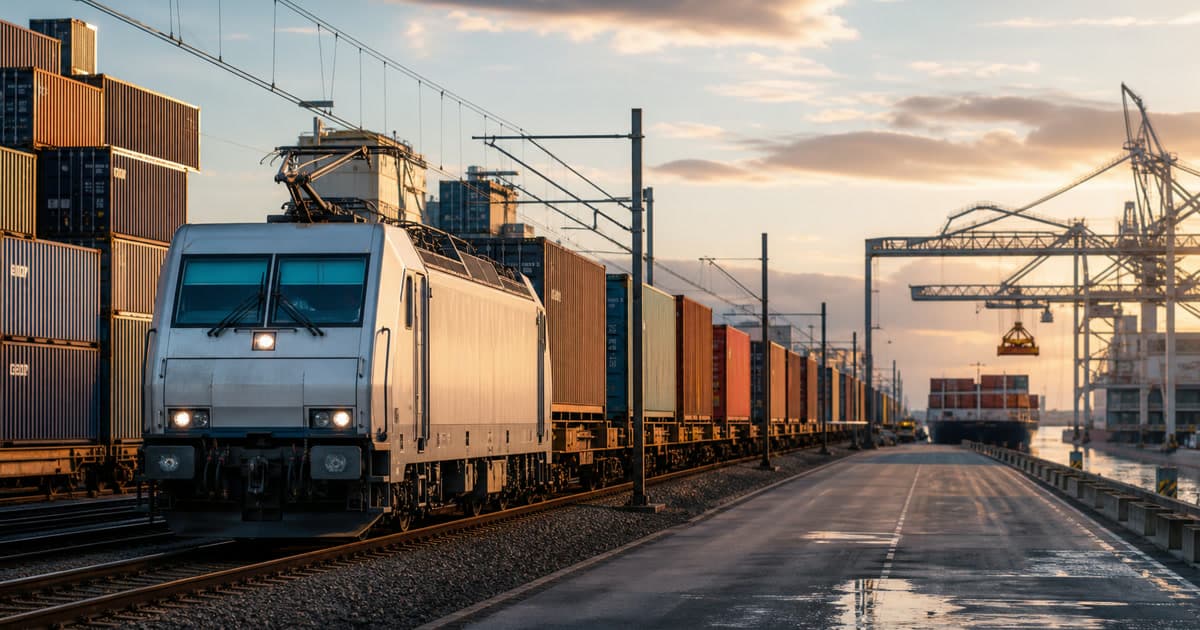
China to Germany Shipping: Sea vs Rail via Duisburg
How China to Germany shipping really works: ocean freight to Hamburg and Bremerhaven, China-Europe rail via Duisburg, air to Frankfurt, and ATLAS customs.
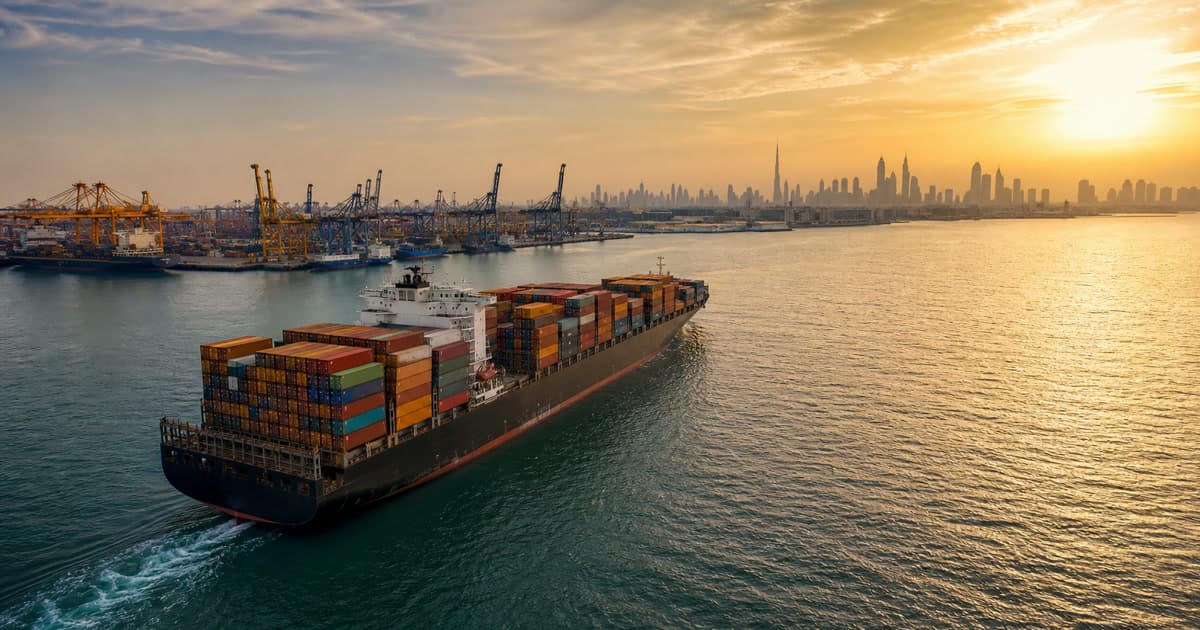
India to UAE Shipping: Fast Sea & Air Freight to Dubai
A practical guide to India to UAE shipping: Nhava Sheva and Mundra to Jebel Ali transit times, air cargo to Dubai, customs steps, and free-zone re-export.
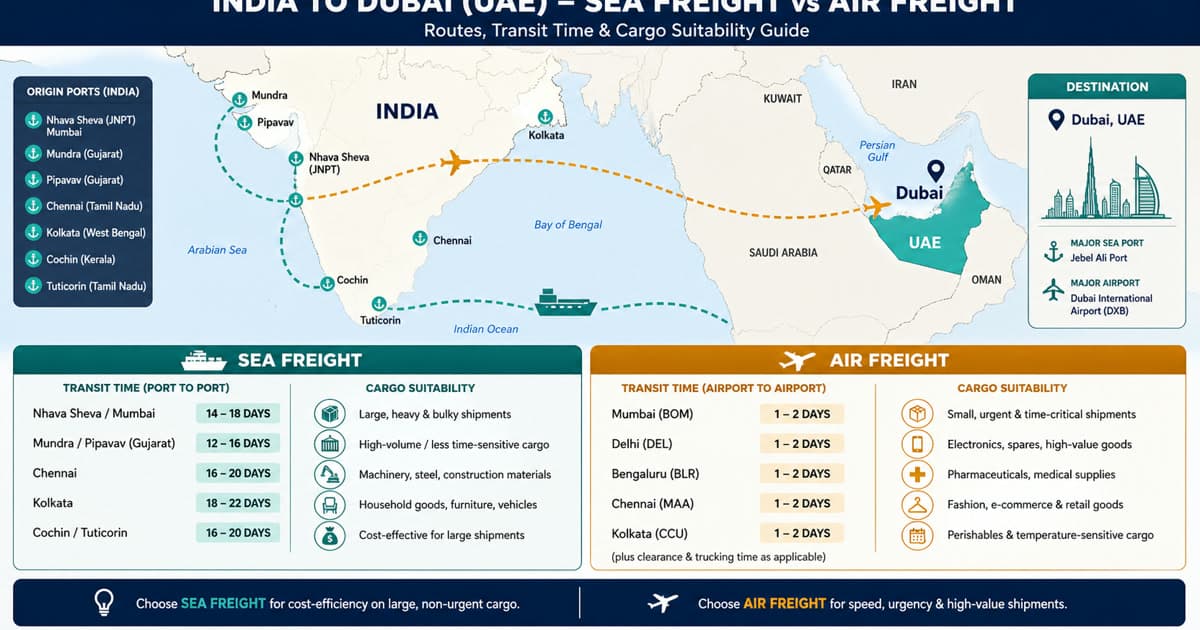
Mexico to USA Freight: Cross-Border Trucking & Nearshoring Guide
A practical guide to Mexico to USA shipping: why trucking rules the lane, key border crossings, USMCA rules of origin, customs steps, and nearshoring.
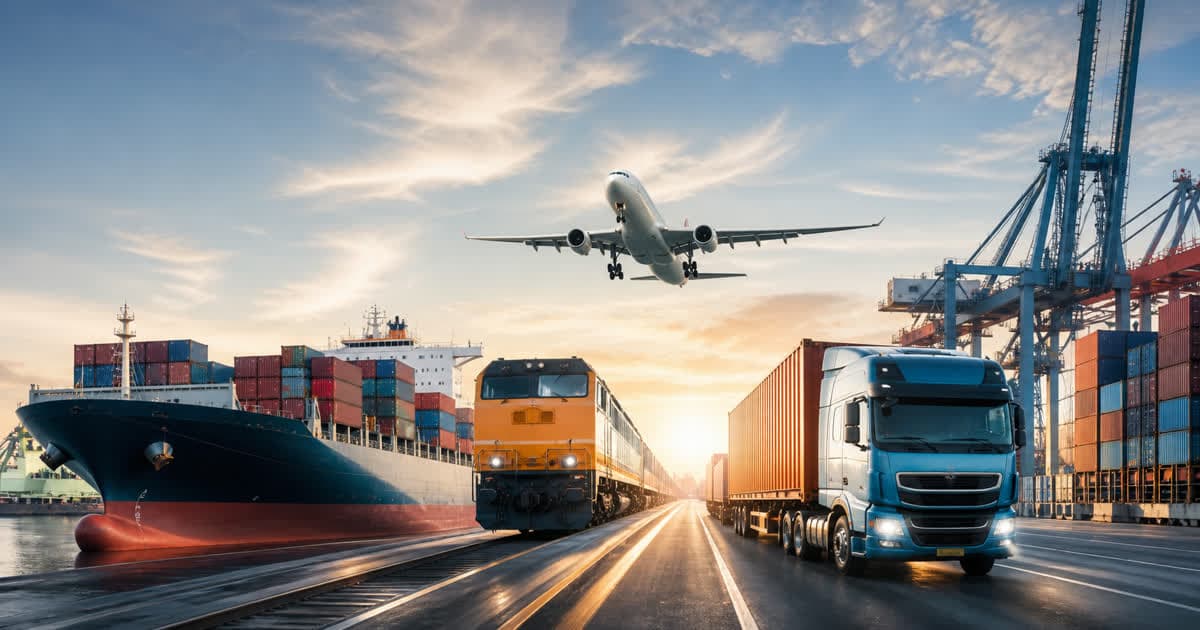
India to USA Freight: Ocean, Air & Pharma Cold Chain Guide
A practical guide to India to USA shipping: ocean and air freight, Nhava Sheva and Mundra ports, transit times, India and US customs, and pharma cold chain.
How to Ship from China to the USA (2026): Costs, Transit Times & Customs
A practical 2026 guide to shipping from China to the USA: FCL vs LCL vs air freight, transit times by port, what drives cost, and how to clear US customs.
Sea Freight vs Air Freight: How to Choose (Cost, Speed & When to Use Each)
Sea freight is cheaper and slower; air freight is faster and pricier. Learn how cost, chargeable weight, transit time and urgency decide the right mode.
Shipping from China to the UK: Sea, Rail & Air Freight Guide
A practical guide to shipping from China to the UK: compare sea, rail and air freight transit times and cost drivers, then clear GB customs through CDS.
Vietnam to USA Shipping: The China+1 Freight Guide
A practical guide to Vietnam to USA shipping: Cai Mep and Hai Phong ports, ocean and air transit times, VNACCS and ISF customs, and the China+1 sourcing shift.
FCL vs LCL Shipping: Which Ocean Freight Option Is Right for You?
FCL vs LCL shipping compared for ocean freight: how each is priced, transit speed, handling and damage risk, the CBM break-even, and when to use each option.
Shipping from Malaysia to the USA: Ocean Freight Guide, Costs, and Transit Times
Shipping from Malaysia to the USA is one of Asia's most active trade lanes. This guide covers transit times, freight costs, FCL vs LCL options, Port Klang routing, documentation, and how to find freight forwarders for the Malaysia-USA corridor.
China-Europe Rail Freight: Is It Right for Your Supply Chain?
China-Europe rail freight offers a compelling middle ground between ocean and air. Here is everything you need to know about transit times, costs, routes, and cargo suitability.
Shipping Dangerous Goods: IMDG Code and IATA Regulations Explained
Sea and air both descend from the UN Model Regulations, so the classes match. Almost everything after classification is stricter by air, sometimes prohibitively.
Ocean Freight Transit Times by Route: What to Realistically Expect
Ocean freight transit times vary dramatically by trade lane, carrier, and routing. Here are realistic transit time expectations for the world major shipping routes.
How Air Freight Pricing Works: Chargeable Weight, CBM and Rate Structures
Air freight pricing is more complex than it looks. Understanding chargeable weight, volumetric weight, and rate structures prevents expensive surprises on your air freight invoices.
Shipping Modes FAQ
Should I ship by air or by sea?
Choose sea for cost and air for speed. Ocean freight is dramatically cheaper per kilogram and suits bulky, heavy, or non-urgent cargo, with transits typically measured in weeks. Air freight is far more expensive but moves in days, and it makes sense for high-value, perishable, or time-critical goods, and sometimes for lower-value cargo when the inventory cost of a long sea transit outweighs the freight saving.
When should I use FCL instead of LCL?
FCL usually becomes the better choice somewhere around 13 to 15 cubic metres, though the exact crossover depends on the lane and current rates. Below that, LCL costs less because you pay only for the space used. Above it, a full container is often cheaper outright, and it is also faster and lower-risk, because the container is sealed at origin and not opened until destination.
Why does LCL take longer than FCL?
Because LCL cargo has to be consolidated and deconsolidated. At origin the consolidator waits to fill a container with other shippers' cargo before it sails; at destination the container is stripped and each consignment sorted before release. Those two processes commonly add several days at each end, on top of the ocean transit itself.
What is transshipment and does it affect my delivery date?
Transshipment is transferring cargo from one vessel to another at an intermediate hub port, and yes, it adds risk to your delivery date. Each transfer is a point where the container can miss its connection, and a missed connection typically costs a week waiting for the next sailing. Direct services cost more but are more predictable, and worth paying for when the date is tight.
What is a reefer container and when do I need one?
A reefer is a refrigerated container with its own cooling unit, needed for any cargo with a temperature specification, such as food, pharmaceuticals, some chemicals and cosmetics. It requires a monitored power supply at every stage, including in port and on the road, and you must state the temperature set point and any pre-cooling requirement at booking rather than assuming a default.
What can I do if my cargo is too big for a standard container?
Use a flat rack, an open top, or breakbulk depending on the dimensions. Open tops suit cargo that is too tall to load through the doors but stays within the container profile; flat racks handle loads that exceed the width or height envelope; genuinely oversized pieces move as breakbulk or project cargo. Anything protruding beyond the container envelope is rated out of gauge and charged for the vessel slots it blocks.
What does it mean if my container is rolled?
It means your container was booked and delivered for a sailing but not loaded, and has been carried forward to a later vessel. Common causes are carrier overbooking, vessel weight limits, a blank sailing, or documentation such as the VGM not being filed by cut-off. Cargo booked on the cheapest spot rates is generally rolled first.